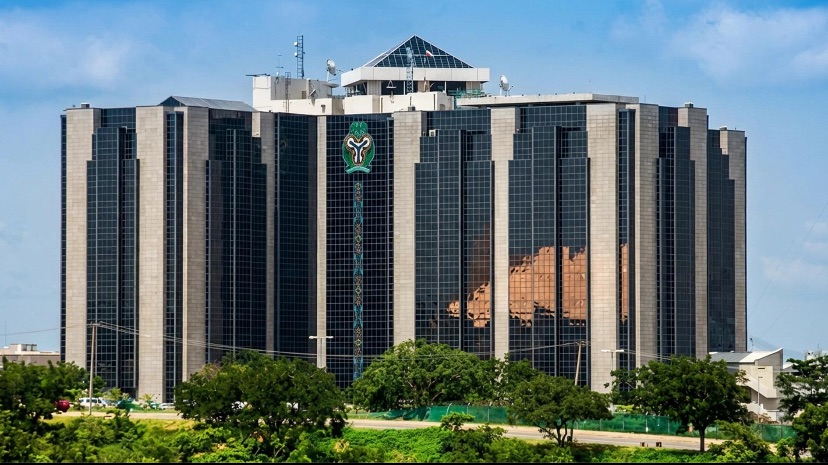

Interest rate decisions made by a country’s central bank may sound like something that only economists or financial experts care about. However, these decisions have a direct impact on the daily lives of millions of people. Whether someone is applying for a home loan, using a credit card, buying a car, or running a small business, changes in interest rates can affect how much they pay to borrow money.
A central bank is responsible for helping keep the economy stable. One of its main tools is setting a benchmark interest rate. This rate influences how much banks charge each other for borrowing money, and it eventually affects the rates offered to consumers and businesses.
When the central bank increases interest rates, borrowing money becomes more expensive. Banks often raise the interest rates on mortgages, personal loans, business loans, and credit cards. As a result, monthly loan payments become higher, making it more costly for families and businesses to borrow money.
For example, someone planning to buy a house may find that mortgage payments increase after an interest rate hike. A business looking for a loan to expand may also face higher borrowing costs, causing it to delay investments or hiring new employees. Even people carrying balances on their credit cards may end up paying more in interest each month.
On the other hand, when the central bank lowers interest rates, borrowing usually becomes cheaper. Banks often reduce loan interest rates, making it easier for consumers to finance major purchases such as homes, cars, or household appliances. Businesses may also find it more affordable to borrow money for expansion, equipment, or new projects.
Lower interest rates often encourage spending because people have access to less expensive credit. Increased spending can help businesses grow, create jobs, and support economic activity. However, if borrowing becomes too cheap for too long, it can also lead to higher inflation as demand for goods and services rises.
Central banks carefully balance these decisions. Their goal is to keep inflation under control while supporting economic growth. If inflation rises too quickly, the central bank may increase interest rates to slow spending. If the economy weakens and unemployment grows, it may lower rates to encourage borrowing and investment.
Savings are also affected by interest rate changes. Higher interest rates often mean banks offer better returns on savings accounts and fixed deposits. This benefits people who save money but may discourage spending because saving becomes more rewarding. Lower interest rates usually reduce returns on savings, encouraging consumers to spend rather than save.
For everyday consumers, understanding interest rates can help with financial planning. People considering taking out loans may want to pay attention to central bank announcements since rate changes can affect future borrowing costs. Existing borrowers with variable-rate loans may also see their monthly payments rise or fall depending on the direction of interest rates.
Although central bank policies may seem distant from everyday life, their effects are felt across households and businesses. Decisions about interest rates influence borrowing, saving, spending, and investing. By understanding how these changes work, consumers can make smarter financial decisions, better manage their budgets, and prepare for changes in the economy.