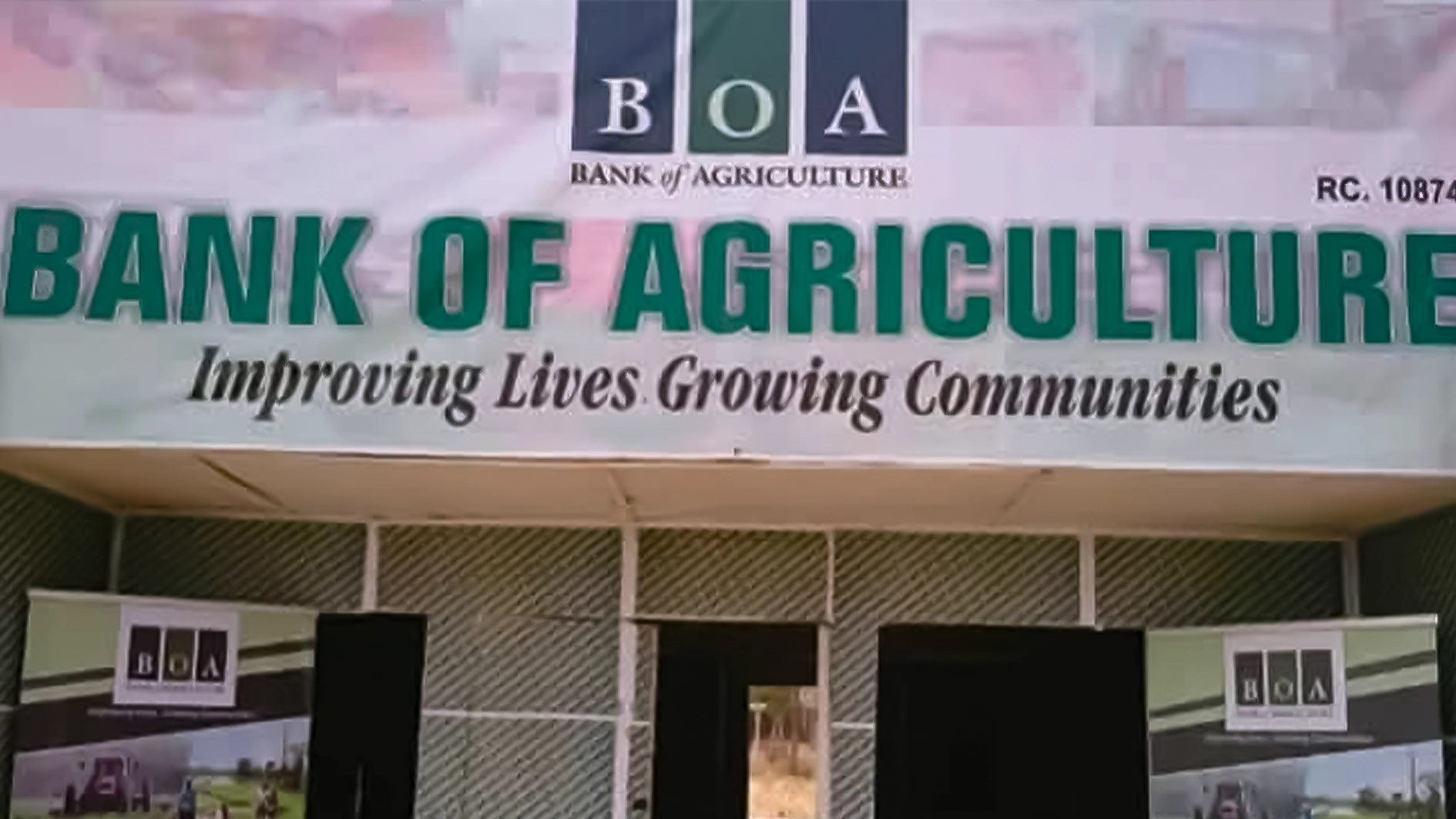

Nigeria’s persistent electricity deficit is costing the country’s agricultural sector more than ₦3.5 trillion annually through avoidable post-harvest losses, according to the Bank of Agriculture (BoA), highlighting the growing economic consequences of inadequate energy infrastructure on food security.
Presenting its strategic roadmap, the bank said approximately 86.8 million Nigerians, representing 46.4% of the population, still lack access to reliable electricity. The challenge is particularly severe in rural communities, where more than 120,000 farming settlements remain beyond the reach of the national grid.
The BoA said unreliable power has become a major constraint across the agricultural value chain, limiting farmers’ ability to preserve produce, irrigate farmland and process crops after harvest. As a result, Nigeria loses an estimated 30 million to 40 million metric tonnes of food every year before it reaches consumers.
According to the bank, more than 40% of these post-harvest losses are linked directly to inadequate energy access, with highly perishable commodities such as tomatoes, vegetables, dairy products and cassava among the hardest hit.
“The figures are alarming,” the bank said in its operational assessment, noting that energy poverty is not only reducing food availability but also weakening the incomes of millions of smallholder farmers who account for the bulk of Nigeria’s agricultural production.
The findings reinforce concerns that improving electricity access is becoming as critical to food security as increasing agricultural output. Analysts say investments in storage, processing and irrigation infrastructure could significantly reduce waste, improve farm productivity and help stabilize food prices.
To address the challenge, the BoA is developing a Clean Energy Access Framework aimed at expanding financing for renewable energy solutions across rural farming communities. The initiative will support solar-powered irrigation systems, off-grid cold storage facilities and mini-grids for agro-processing centres, reducing farmers’ dependence on costly diesel generators and unreliable grid electricity.
The bank believes the programme could strengthen agricultural productivity while improving market access and extending the shelf life of perishable produce.
The warning comes as Nigeria continues to face one of the world’s largest electricity access gaps, with inadequate power supply constraining economic growth across multiple sectors. Development experts have repeatedly identified reliable rural electrification as a prerequisite for improving agricultural competitiveness, reducing food inflation and enhancing national food security.
With the 2026 harvest season approaching, stakeholders are calling for stronger collaboration between government, development finance institutions and private investors to accelerate rural electrification projects, arguing that sustainable energy investments will be essential to reducing food losses, strengthening supply chains and supporting long-term agricultural growth.