
The Nigerian Midstream and Downstream Petroleum Regulatory Authority (NMDPRA) has pledged to improve transparency, strengthen stakeholder engagement, and provide clearer regulations to attract more investment into Nigeria’s petroleum industry.
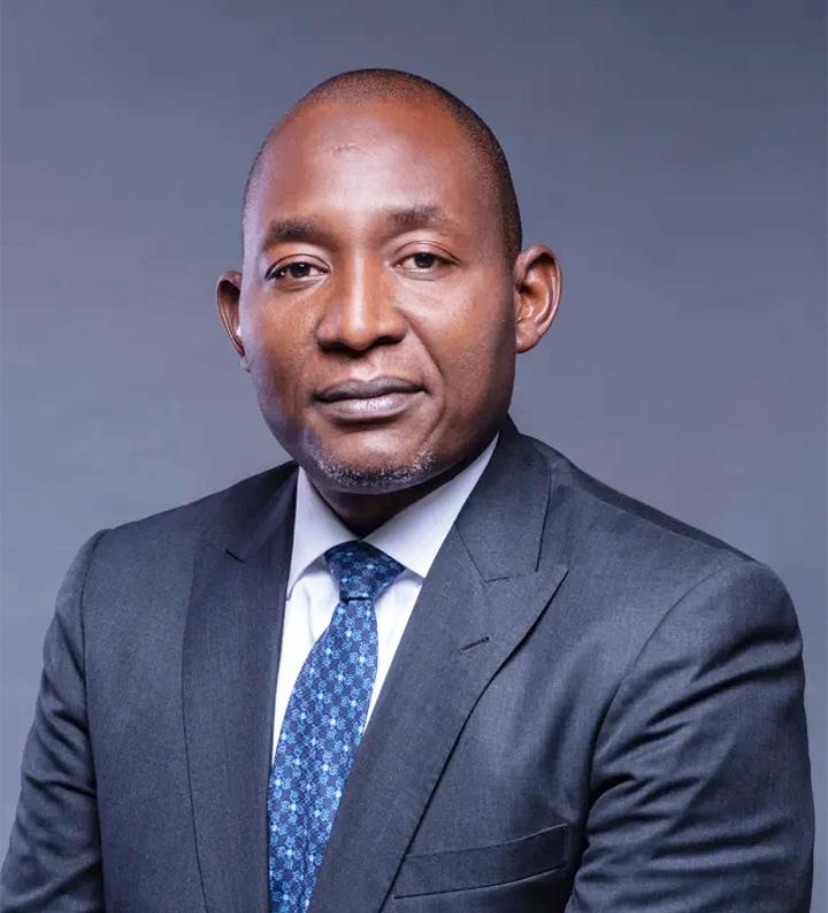
The commitment was made by the Authority’s newly appointed Chief Executive, Rabiu Abdullahi Umar, during the opening of the 2026 NMDPRA General Counsel and Legal Advisers Forum held on Monday. The event, themed “Beyond Compliance: Driving Regulatory Certainty and Investment Confidence in Nigeria’s Petroleum Sector,” brought together legal experts, regulators, and industry stakeholders to discuss the future of Nigeria’s oil and gas industry.
Speaking at the forum, Umar said that while compliance with regulations remains important, the country must now focus on creating an environment where investors have confidence in the stability of the petroleum sector.
According to him, the long-term goal is to build an industry that is predictable, transparent, and capable of attracting both local and foreign investments.
He explained that the Petroleum Industry Act (PIA) 2021 has now been in operation for five years, making it necessary for regulators and industry players to assess how well the law is working in practice. Rather than focusing only on the wording of the law, Umar said the discussions should also examine how regulations are being implemented, how businesses are responding to reforms, and how investors view opportunities in Nigeria.
The two-day forum features six major discussion sessions covering regulatory certainty, investment opportunities, institutional collaboration, energy security, midstream infrastructure development, and the implementation of host community programmes under the Petroleum Industry Act.
Umar described the gathering as more than just a compliance meeting. He said it serves as a platform for open dialogue where participants can identify challenges, point out unclear regulations, and recommend practical solutions that will improve the business environment.
He assured stakeholders that NMDPRA would continue to regulate the industry fairly and consistently while maintaining open communication with operators across the petroleum value chain.
According to him, the Authority is committed to transparency, accountability, and responsiveness as the industry continues to evolve.
He noted that last year’s forum focused mainly on encouraging compliance with industry regulations. However, this year’s discussions are aimed at building on that progress by creating a stable regulatory environment that supports long-term investments and contributes to Nigeria’s economic growth.
Umar also acknowledged that achieving the objectives of the Petroleum Industry Act requires collaboration between regulators, investors, legal advisers, and industry operators.
He stressed that no single institution can transform the petroleum sector alone and called on all stakeholders to work together through continuous dialogue and partnership.
The forum attracted general counsel, legal advisers, and compliance officers from companies operating in Nigeria’s midstream and downstream petroleum sectors.
Participants are expected to engage in high-level panel discussions with government officials and industry experts on ways to align regulatory practices with market realities, improve investor confidence, and strengthen the overall performance of Nigeria’s petroleum industry.
The NMDPRA believes that a transparent and predictable regulatory system will not only attract more investment but also support sustainable growth, improve energy security, and position Nigeria as a more competitive destination for petroleum business in Africa.