
Nigeria has reaffirmed its commitment to building a gas-powered economy as the Decade of Gas Secretariat and the Presidential Initiative on Compressed Natural Gas and Electric Vehicles (Pi-CNG & EV) continue to promote awareness and public participation in the country’s gas development plans.
The two organisations recently held a media capacity-building workshop in Port Harcourt, bringing together 30 journalists from television, radio, print, and digital media. The training was designed to improve journalists’ understanding of Nigeria’s gas sector and equip them to report more effectively on how gas can support economic growth, industrial development, energy security, job creation, and better living conditions.
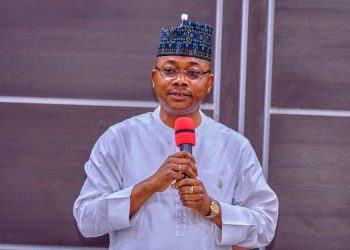
Speaking during the event, an official of the Decade of Gas Secretariat, Taofeek Balogun, explained that the Port Harcourt programme is the third in a series of media engagements that started in 2025. Previous workshops were held in Lagos and Abuja.
Balogun said Nigeria’s gas industry has continued to record encouraging progress. According to him, the country’s gas production has reached 7.85 billion standard cubic feet per day (bcfd) this year.
He added that domestic gas consumption has now exceeded 2 bcfd, while gas exports have climbed to their highest level in five years. The increase reflects growing demand from electricity generation companies, manufacturing industries, transportation, export markets, and households using gas for cooking.
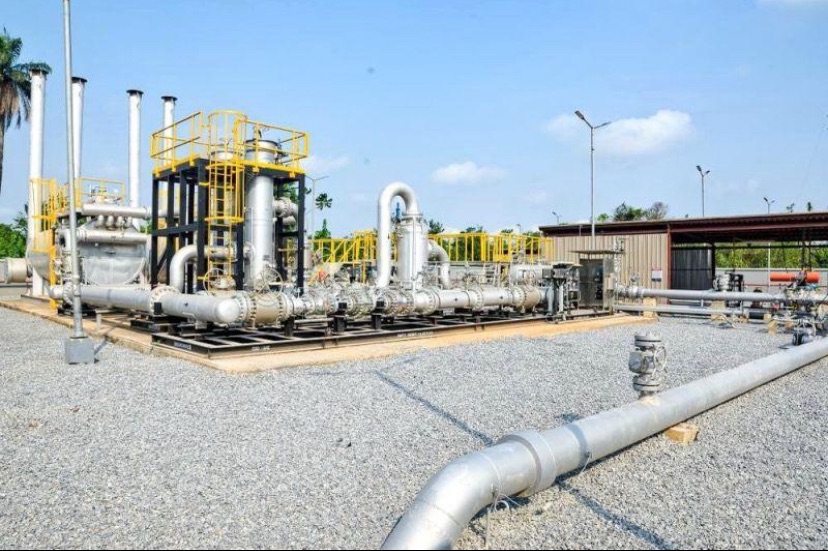
Balogun also highlighted the successful completion of the Obiafu-Obrikom-Oben (OB3) River Niger Crossing project by NGIC and NNPCL. He described the project as a major milestone that will improve gas transportation across Nigeria, encourage industrial expansion, attract more investment, strengthen energy security, and support economic growth.
As part of efforts to increase the use of gas in homes, the federal government is expanding its clean cooking programme. The initiative aims to distribute cooking gas cylinders to five million households across Nigeria by 2030.
Following the successful launch of the programme across the six geopolitical zones by the Minister of State for Petroleum Resources (Gas), Hon. Ekperikpe Ekpo, the next phase will begin at the state level, starting with Bayelsa State in July 2026.
Under the programme, about 27,000 households in Bayelsa are expected to receive cooking gas cylinders before the end of the year. The distribution forms part of the government’s broader target of reaching one million homes annually.
The Chief Operating Officer of Pi-CNG & EV, Tosin Coker, also spoke on the government’s efforts to promote cleaner and more affordable transportation through the use of Compressed Natural Gas (CNG) and electric vehicles.
According to him, the federal government is encouraging Ministries, Departments, and Agencies (MDAs) to convert their existing vehicles to CNG while also purchasing CNG-powered vehicles for official use. The move is expected to reduce fuel costs and improve energy efficiency across government operations.
Coker revealed that more than 100,000 vehicles have already been converted to CNG nationwide under the initiative, showing that more Nigerians are embracing alternative fuel options.
Participants at the workshop praised the organisers for helping journalists better understand the country’s energy transition and the opportunities within the gas sector.
The Decade of Gas Secretariat and Pi-CNG & EV said they will continue to engage stakeholders and educate the public as Nigeria works towards achieving a cleaner, more sustainable, and gas-driven economy.