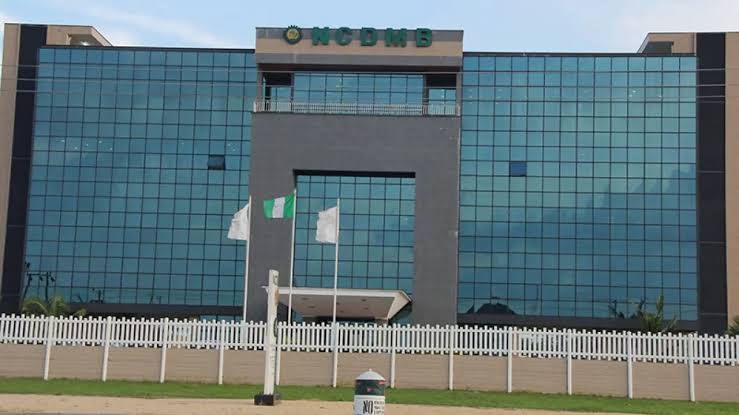

Nigeria’s local content development framework is increasingly being recognised as a leading model for resource-rich African nations seeking to maximise economic value from their oil and gas industries.
The Nigerian Content Development and Monitoring Board (NCDMB), the agency responsible for implementing the Nigerian Oil and Gas Industry Content Development Act, says a growing number of African countries are studying and adapting Nigeria’s approach as they pursue greater domestic participation in energy projects.
Recent engagements highlight the growing influence of the Nigerian model. A delegation from the Ghana National Petroleum Corporation (GNPC) recently completed a week-long benchmarking visit to the NCDMB headquarters, where officials examined the institutional, regulatory, and operational mechanisms that have driven Nigeria’s local content success.
According to officials involved in the discussions, Ghana is seeking to strengthen its own framework by incorporating lessons from Nigeria’s experience. Similar endorsements have emerged from Liberia, where the chairman of the Petroleum Regulatory Authority described Nigeria’s local content regime as a continental reference point capable of guiding policy reforms across Africa.
Beyond Ghana and Liberia, NCDMB officials have confirmed that countries including Angola, Uganda, and Senegal are implementing policies inspired by Nigeria’s framework. The board is also expanding technical cooperation and knowledge-sharing initiatives with Mozambique and Namibia as interest in local content development gains momentum across the continent.
The attraction lies in Nigeria’s measurable achievements over the past decade. Prior to the enactment of the Nigerian Oil and Gas Industry Content Development Act in 2010, local participation in the country’s petroleum industry stood at less than 5 per cent. Today, local content performance has surpassed 54 per cent, reflecting a significant increase in the involvement of Nigerian companies, professionals, and service providers across the industry value chain.
The policy has also delivered substantial economic benefits. More than 50,000 direct jobs have reportedly been created, while billions of dollars that would previously have flowed overseas are now retained within the domestic economy through local procurement, manufacturing, engineering services, and project execution.
Energy analysts note that many African economies face a common challenge: abundant natural resources but limited domestic value capture. In many jurisdictions, multinational operators continue to dominate technical and commercial activities, leaving host countries with restricted opportunities for industrial growth and skills development.
Nigeria’s experience demonstrates that a combination of clear legislation, strong institutional oversight, capacity-building programmes, and consistent enforcement can significantly increase indigenous participation while supporting broader economic diversification objectives.
As African governments seek to balance energy development with industrialisation and job creation, Nigeria’s local content framework is increasingly being viewed not merely as a national success story but as a practical blueprint for sustainable resource management across the continent.