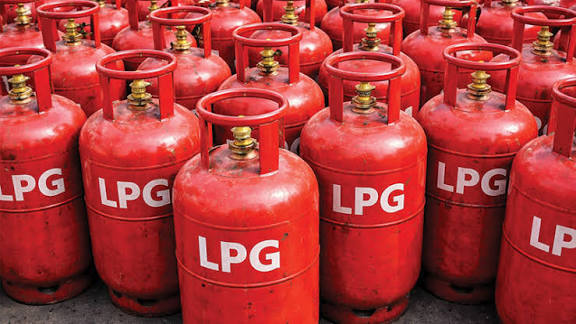

Nigeria’s cooking gas marketers are preparing for large-scale imports of liquefied petroleum gas (LPG) following a dramatic 140 percent increase in domestic prices over the past year, a move aimed at easing supply pressures and stabilizing the market.
Industry stakeholders say the sharp rise in cooking gas prices has placed significant financial strain on households and businesses, forcing many consumers to reduce consumption or switch to alternative cooking fuels. The development threatens Nigeria’s broader clean energy transition agenda, which seeks to encourage the adoption of LPG as a safer and more environmentally friendly alternative to firewood and kerosene.
According to marketers, import volumes are expected to increase in the coming months as local production struggles to meet rising demand. While Nigeria is one of Africa’s largest producers of natural gas, industry operators have long complained about inadequate domestic LPG supply, infrastructure bottlenecks, foreign exchange constraints, and logistical challenges that continue to disrupt the market.
The planned imports are expected to supplement local supply and help prevent further price spikes, particularly during periods of heightened demand. However, market participants caution that import dependence exposes the sector to global energy price volatility, shipping costs, and fluctuations in the naira exchange rate.
The surge in LPG prices has been driven by a combination of factors, including higher international benchmark prices, transportation costs, foreign exchange pressures, and supply chain disruptions. These challenges have contributed to a widening gap between domestic demand and available supply, despite ongoing investments across Nigeria’s gas value chain.
Energy analysts note that sustained price increases could undermine government efforts to deepen LPG penetration across the country. Nigeria has spent years promoting cooking gas adoption as part of its energy transition strategy, but affordability remains a critical obstacle for low- and middle-income households.
Industry executives argue that expanding domestic processing capacity, improving storage infrastructure, and creating a more predictable regulatory environment are essential to reducing reliance on imports over the long term. They also emphasize the need for policies that encourage investment in gas processing and distribution networks.
The expected wave of imports highlights a paradox within Nigeria’s energy sector: a nation endowed with vast gas reserves still relies on imported products to satisfy domestic demand. While increased imports may provide short-term relief, experts say lasting market stability will depend on unlocking local production capacity and strengthening the country’s LPG supply chain.
For consumers, the immediate concern remains affordability. Any successful effort to boost supply and moderate prices could help restore confidence in cooking gas as the preferred household energy source and support Nigeria’s ambition to expand access to cleaner fuels.