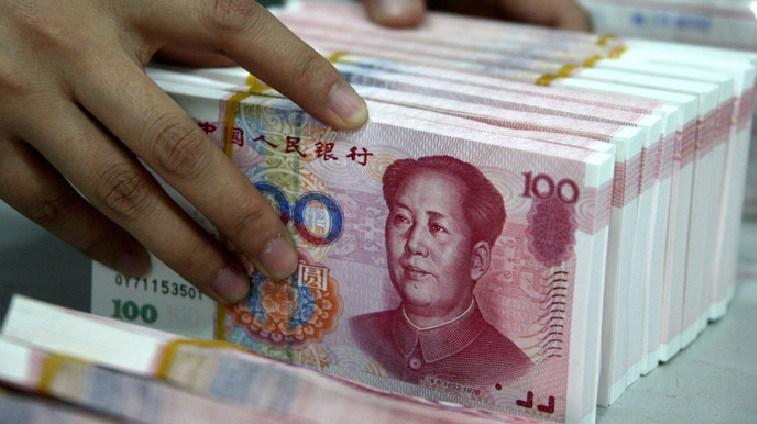

Several African countries are increasing their use of China’s currency, the yuan (renminbi), for official payments, trade and debt management in a growing move to reduce dependence on the US dollar. Kenya and Zambia are at the forefront of this change, reflecting broader economic shifts across the continent as nations seek to trim the risks and costs of dollar-only financial obligations.
In recent months, Kenya has taken a significant step by converting some of its dollar-denominated debt owed to China into yuan. The East African nation restructured part of a US$5 billion loan originally used to build its Standard Gauge Railway (SGR), switching it from dollars to yuan. This conversion is expected to save Kenya about $250 million per year in debt servicing costs by lowering interest expenses and reducing currency risks linked to the volatility of the dollar.
The Kenyan government says the move will help ease pressure on foreign exchange reserves and lessen the need to buy large volumes of US dollars to repay its external debts. By spreading exposure across currencies, Nairobi also hopes to strengthen the shilling and improve macroeconomic stability.
At the same time, Zambia has become the first African country to allow some Chinese mining firms to pay taxes and royalties in yuan rather than dollars. Zambia’s government and central bank endorsed the change partly because China is its largest buyer of copper the country’s most important export and many mining firms already receive payment from China in yuan. Accepting taxes in the same currency reduces the cost of converting receipts into dollars and eases pressure on Zambia’s limited dollar reserves.
The change may also help Zambia build yuan reserves, which can be used to service Chinese debt without first selling the currency for dollars. Zambia has previously required all mining companies to pay royalties in dollars to help accumulate official reserves. The revised rule aligns official financial flows more closely with how much of Zambia’s mining trade actually operates.
Economists say these moves are part of a broader trend in Africa and globally. Many African economies continue to hold most of their foreign reserves in dollars and price much international trade in the dollar, which has been the dominant global currency for decades. But reliance on the dollar can be costly for developing nations, especially when the currency strengthens or when supply of dollars tightens, pushing up import costs and debt servicing requirements.
China has been actively encouraging the use of its currency abroad to support trade with African countries. This includes expanding payment systems such as the Cross-Border Interbank Payment System (CIPS), which allows direct yuan transactions between banks in Africa and China without needing to route payments through Western-dominated systems. Access to such systems can lower transaction costs and shorten settlement times for businesses exchanging goods with China.
Beyond Kenya and Zambia, other African countries are showing interest in similar arrangements. Ethiopia, for example, is reported to be in talks with Chinese lenders about converting parts of its dollar debts into yuan. Analysts say that if more nations follow this path, it could contribute to a gradual internationalisation of the yuan and offer African economies alternatives to dollar-centric financial systems.
Despite these developments, experts caution that increased yuan usage also carries risks. The yuan is still far less widely used than the US dollar globally, accounting for a small share of official reserves and international transactions. Some worry that deeper financial ties to China could expose countries to policy shifts made in Beijing, and that the yuan’s convertibility and capital control policies could complicate trading and lending relationships if not carefully managed.
Analysts also note that while reducing dollar exposure can ease pressure on foreign exchange reserves and lower debt costs, it does not eliminate broader economic vulnerabilities. Countries must still manage their overall debt levels and maintain robust macroeconomic frameworks to cope with changes in global financial conditions.
As African economies continue to diversify both trade partners and financial instruments, the trend towards using the yuan alongside the dollar reflects a strategic effort to build resilience in an uncertain global economic environment. Whether this shift will become widespread remains to be seen, but Kenya and Zambia’s actions mark important milestones in the continent’s evolving financial landscape.