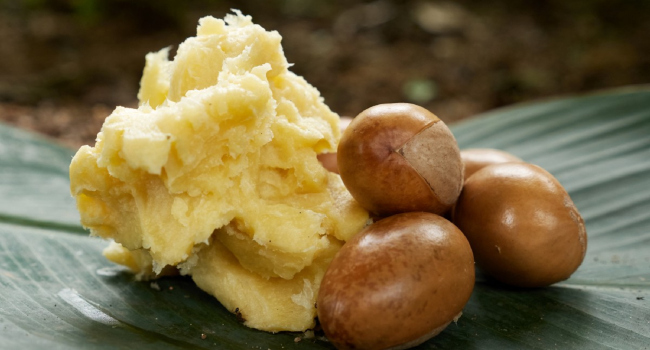

The Nigerian government is intensifying efforts to develop the country’s shea value chain as part of a broader strategy to increase non-oil exports, boost foreign exchange earnings, and create jobs across rural communities.
Officials say expanding domestic processing capacity for shea nuts into higher-value products such as shea butter and cosmetic-grade ingredients will allow Nigeria to capture a larger share of the global shea market, which is increasingly driven by demand from the food, pharmaceutical, and beauty industries.
Nigeria is one of Africa’s leading producers of shea nuts, with vast shea tree belts stretching across several northern and central states. However, much of the country’s output has historically been exported in raw form, limiting the economic value retained within the domestic economy.
Government policymakers argue that strengthening local processing capabilities could significantly improve export revenues while supporting industrialisation goals. By moving up the value chain, Nigeria can generate greater returns from its agricultural resources and reduce dependence on crude oil exports, which remain vulnerable to fluctuations in global energy markets.
Industry stakeholders note that the global demand for sustainably sourced shea products has risen steadily in recent years. Shea butter is widely used by multinational manufacturers in chocolate production as well as in skincare and personal care products. This growing international appetite presents a major opportunity for Nigerian producers and processors.
The government’s push is expected to include support for processing facilities, improved access to financing, technical training, and stronger quality-control systems to ensure Nigerian products meet international export standards. Experts say these measures are essential if local producers are to compete effectively with established exporters in West Africa.
Agricultural economists believe that increased investment in shea processing could have a multiplier effect across rural economies. Beyond generating export earnings, the sector supports thousands of women who are actively involved in shea nut collection and primary processing activities. Expanding the industry could therefore contribute to poverty reduction and rural development objectives.
The initiative also aligns with Nigeria’s broader economic diversification agenda, which seeks to expand export-oriented sectors capable of generating foreign exchange and reducing pressure on the naira. As policymakers continue to promote value-added agriculture, the shea industry is increasingly viewed as a strategic sector with significant untapped potential.
Market analysts say success will ultimately depend on sustained investment, improved logistics infrastructure, and stronger integration into global supply chains. If effectively implemented, Nigeria’s shea processing drive could transform the country from a major raw material supplier into a competitive exporter of premium shea-based products, strengthening both agricultural exports and long-term economic resilience.