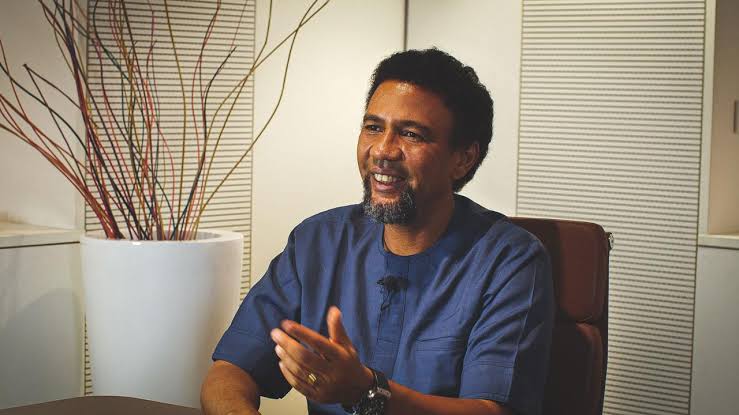

The Chief Executive Officer of MTN Nigeria, Karl Toriola has pushed back against growing calls for unlimited mobile data plans in Nigeria, arguing that such offerings are economically unsustainable and could ultimately compromise network quality for consumers.
Speaking on the economics of mobile broadband services, Toriola said no telecommunications operator anywhere in the world can successfully provide unrestricted data access at a low cost while maintaining reliable service standards. According to him, the increasing demand for data-intensive applications, including video streaming, cloud services, artificial intelligence tools and online gaming, has significantly increased pressure on telecom networks and infrastructure.
His comments come amid rising consumer concerns over data affordability and the recent adjustments to telecom tariffs in Nigeria. Many subscribers have advocated for unlimited plans as mobile internet increasingly becomes an essential service for work, education, entertainment and digital commerce.
However, Toriola argued that the concept of “unlimited” data often creates unrealistic expectations. He noted that network operators must continuously invest billions of naira in spectrum acquisition, fibre-optic infrastructure, transmission equipment, power systems and network upgrades to meet growing demand. Without sustainable pricing models, operators may struggle to fund the investments required to expand coverage and improve service quality.
The MTN Nigeria chief executive said operators globally manage network resources through tiered pricing structures because bandwidth remains a finite and costly asset. Allowing unrestricted usage at low prices could result in network congestion, slower internet speeds and a degraded user experience for the broader subscriber base.
The debate highlights a broader challenge facing Nigeria’s telecommunications sector. While the country has recorded steady growth in internet penetration and smartphone adoption, operators continue to grapple with high operating costs driven by inflation, foreign exchange volatility, energy expenses and infrastructure maintenance.
Industry analysts note that balancing affordability with network sustainability remains one of the sector’s most pressing issues. Telecom companies face mounting pressure to expand broadband access and support Nigeria’s digital economy ambitions while simultaneously generating sufficient returns to finance long-term infrastructure investments.
For consumers, the discussion signals that operators are likely to continue focusing on data bundles tailored to different usage levels rather than introducing truly unrestricted plans. For investors and policymakers, it underscores the need for continued investment in broadband infrastructure to support the country’s rapidly expanding digital ecosystem.
As data consumption accelerates across Africa’s largest telecom market, the debate over affordability, network quality and infrastructure funding is expected to remain at the centre of industry discussions.