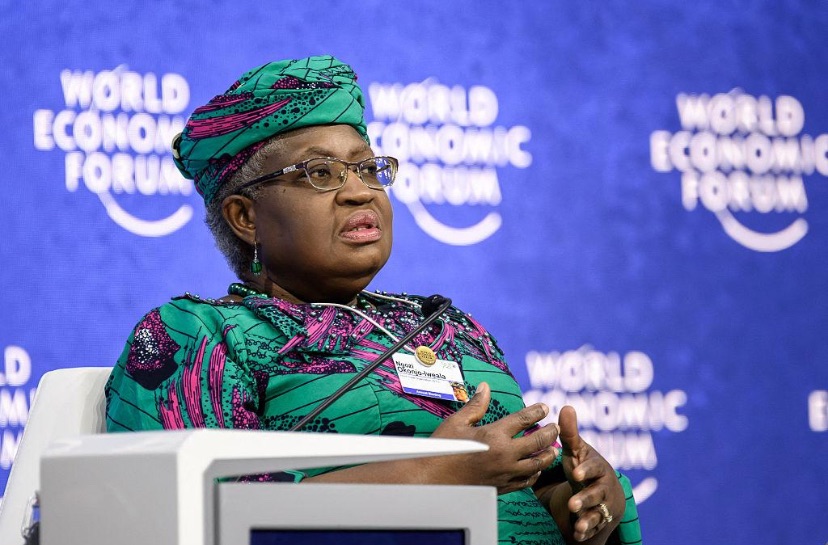

Director-General of the World Trade Organization, Ngozi Okonjo-Iweala, has called for stronger economic cooperation across Africa as countries on the continent continue efforts to boost trade, industrialisation and investment.
Speaking during a recent economic forum, Okonjo-Iweala said African nations must focus on improving regional trade, supporting local industries and reducing barriers that slow business growth. She explained that Africa has enormous economic potential but requires better policies, infrastructure and investment to unlock long-term prosperity.
According to her, the African Continental Free Trade Area (AfCFTA) remains one of the continent’s biggest opportunities for economic transformation. She noted that stronger trade ties among African countries could create millions of jobs, increase production and reduce dependence on imports from outside the continent.
Okonjo-Iweala stressed that many African businesses still face difficulties moving goods across borders because of poor transport systems, customs delays and inconsistent regulations. She urged governments to work together in creating a business-friendly environment that encourages both local and foreign investors.
The WTO chief also highlighted the growing importance of digital trade and technology in modern economies. She encouraged African countries to invest heavily in digital infrastructure, innovation and youth empowerment to compete effectively in the global market.
She said young entrepreneurs across Nigeria and other African nations are already showing creativity in sectors such as financial technology, agriculture, manufacturing and e-commerce. However, she added that access to finance remains a major challenge limiting the growth of many small and medium-sized enterprises.
Okonjo-Iweala further called on international financial institutions and development partners to increase support for African economies, especially at a time when many countries are battling inflation, debt pressures and rising energy costs.
Economic analysts believe her comments come at a critical time as African governments seek new ways to strengthen economic resilience amid global uncertainties. Rising food prices, currency fluctuations and weaker global demand have continued to affect several developing economies, including Nigeria.
Despite the challenges, Okonjo-Iweala expressed optimism about Africa’s future, saying the continent possesses vast natural resources, a growing population and expanding consumer markets capable of driving economic growth for decades.
She also urged African leaders to prioritise education, healthcare and infrastructure development, noting that sustainable economic progress depends on improving the quality of life for citizens.
Business leaders at the forum praised her leadership at the WTO and her continued advocacy for fair trade policies that support developing nations. Many described her as one of Africa’s most influential economic voices on the global stage.
Since becoming the first African and first woman to lead the WTO, Okonjo-Iweala has continued to push for reforms aimed at improving global trade systems and ensuring poorer countries benefit more from international commerce.
Analysts say her message could encourage policymakers across Africa to accelerate trade reforms and strengthen regional partnerships that support economic expansion and private sector growth.