
Nigerian households faced a fresh wave of inflationary pressure in May after cooking gas and petrol prices rose sharply, worsening the country’s broader cost-of-living crisis.
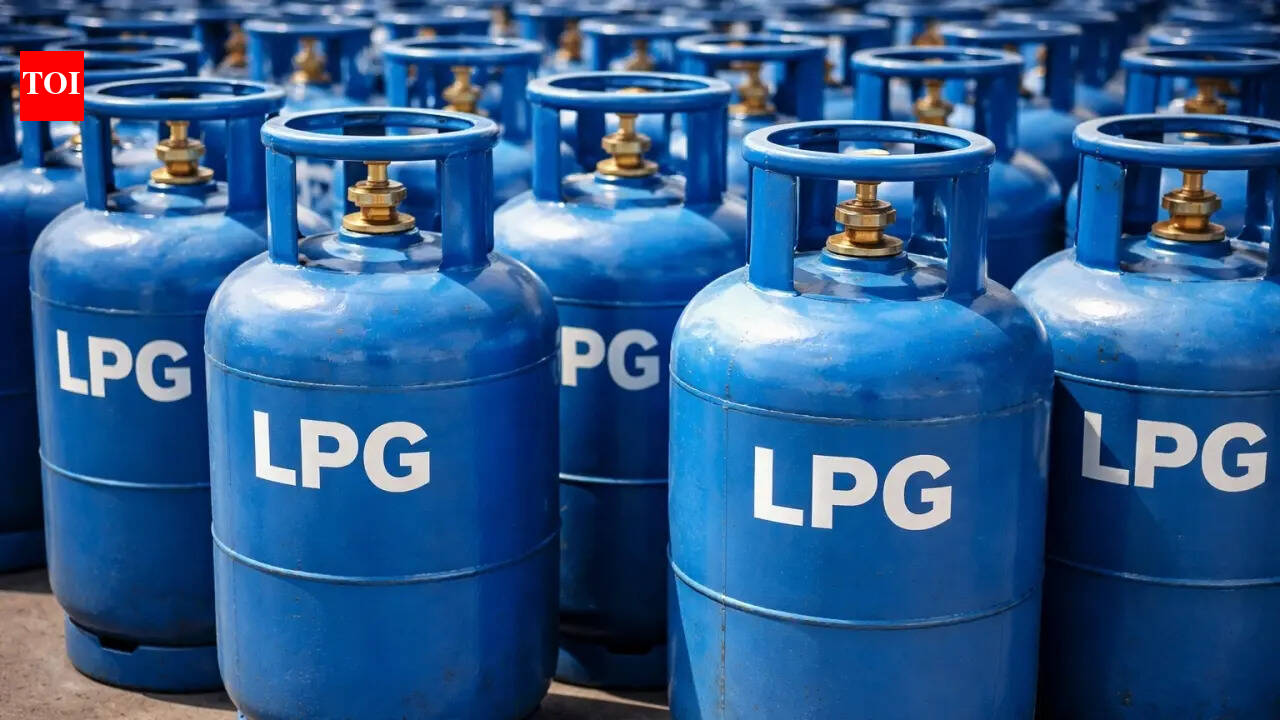
The average price of a 12.5kg cylinder of Liquefied Petroleum Gas (LPG), commonly used for cooking, climbed 15.4% to approximately ₦18,750 during the month amid a severe supply shortage across major depots. Industry marketers said only three major storage facilities, Dangote Refinery, Ardova Plc, and Navgas Limited, maintained commercial stock levels during the peak of the disruption.
The shortage forced some households in the Federal Capital Territory and other urban centres to abandon gas usage temporarily in favour of charcoal and firewood, highlighting the growing strain on consumer purchasing power.
Petrol prices also continued their upward trajectory. Dangote Refinery reportedly increased its gantry price twice within days, pushing wholesale rates to about ₦1,350 per litre by May 5. Retail pump prices subsequently averaged around ₦1,400 nationwide, while consumers in northern cities such as Kano paid as much as ₦1,480 per litre.
Energy analysts attributed the dual price surge to a combination of international and domestic pressures. Persistent geopolitical tensions in global energy markets have continued to elevate shipping and commodity costs, while the depreciation of the naira has increased the local currency cost of importing refined products and LPG components.
Logistics costs have also intensified the burden. Diesel-powered transportation remains central to Nigeria’s fuel distribution network, meaning elevated diesel prices directly increase the cost of moving petroleum products across the country.
The latest increases underscore the fragile state of Nigeria’s energy transition strategy. Policymakers have spent years promoting LPG adoption as a cleaner alternative to kerosene and biomass fuels, particularly in urban households. However, recurring supply disruptions and volatile pricing threaten to reverse those gains as lower-income families revert to traditional cooking methods.
The development is also likely to feed into headline inflation in the coming months. Higher fuel and cooking gas prices typically ripple through transport fares, food distribution costs, and household expenditure patterns, placing additional pressure on already strained consumers and small businesses.
Market observers say sustained stability in the downstream sector will depend largely on improved domestic refining capacity, exchange-rate stability, and more efficient product distribution networks.