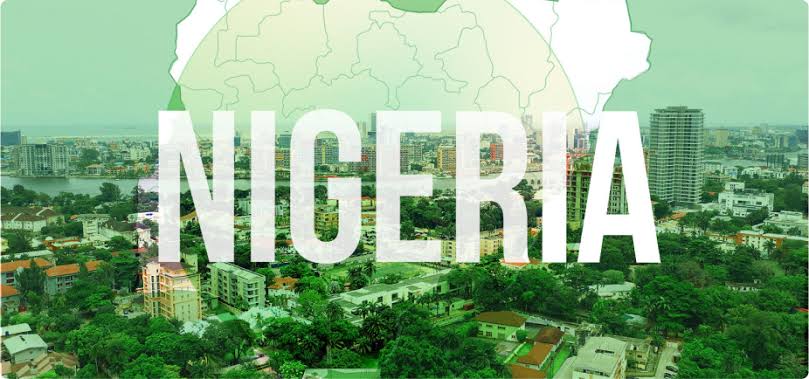

Nigeria’s political landscape is already showing early signs of a financial surge ahead of the 2027 general elections, with analysts warning that rising political spending could reshape liquidity conditions, inflation trends and investor sentiment over the next 18 months.
Historically, election cycles in Africa’s largest economy have triggered substantial cash injections into the system as political parties, candidates and affiliated interest groups ramp up campaign structures, mobilization efforts and grassroots patronage networks. Economists say the build-up toward 2027 may prove particularly significant given Nigeria’s fragile macroeconomic environment, persistent inflationary pressures and currency volatility.
Political operatives across major parties have intensified consultations, coalition-building and regional outreach months earlier than in previous election cycles, according to political observers and market participants. That acceleration is fueling expectations that campaign-related financing will expand well before formal party primaries begin.
For financial markets, the implications are complex.
In the short term, increased political expenditure often boosts liquidity in the informal economy, benefiting sectors such as transportation, media, hospitality, advertising and telecommunications. Consumer spending can also rise temporarily as campaign funds circulate through local economies.
However, economists caution that unregulated cash flows and deficit-financed political activity can worsen inflationary pressures at a time when households are already grappling with elevated food prices and declining purchasing power. Nigeria’s inflation rate has remained stubbornly high despite monetary tightening measures by the central bank, while the naira continues to face periodic pressure in foreign exchange markets.
Investors are also closely watching the political transition cycle for signs of policy continuity or disruption. Election seasons in Nigeria have historically introduced uncertainty around fiscal management, regulatory consistency and public spending priorities, particularly in sectors tied to government contracts and infrastructure development.
“The political cycle often injects liquidity into the economy, but it can also distort market signals and weaken fiscal discipline,” said a Lagos-based investment analyst. “Foreign investors typically become more cautious as election risk rises.”
Banking sector executives and portfolio managers are expected to monitor whether increased political activity influences capital flows, treasury yields and exchange-rate stability over the coming quarters. Some analysts also anticipate a rise in short-term speculative positioning as political alliances evolve.
At the same time, political fundraising and campaign financing are likely to face heightened scrutiny from civil society groups advocating greater transparency and accountability in electoral spending. Concerns over opaque funding structures, vote-buying risks and abuse of state resources remain central to debates around Nigeria’s democratic process.
While the official campaign season remains distant, the financial undercurrents of the 2027 contest are already beginning to ripple through Africa’s largest economy. For businesses, investors and policymakers, the coming months may offer an early test of how politics and economics will intersect in one of the continent’s most consequential election cycles.