
Nigeria is repositioning its blue economy strategy from policy development to investment execution, as the World Bank deepens collaboration with the Federal Ministry of Marine and Blue Economy to unlock commercially viable maritime projects.
The shift, anchored on the PROBLUE programme, marks a transition toward structuring “bankable projects” capable of attracting international financing and accelerating growth across Nigeria’s maritime sector. This direction was reinforced at a high-level technical meeting convened to validate findings and align priorities for the country’s Blue Economy Blueprint, according to a statement by the ministry’s Director of Information and Public Relations, Anastasia Ogbonna.
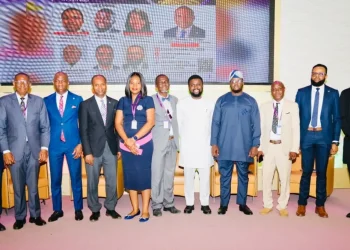
Permanent Secretary of the ministry, Fatima Mahmood, acknowledged the progress made through technical support from the World Bank delegation, led by Marcelo Hector Acerbi and Yolanda Molares. She noted that while data systems and analytical frameworks have improved significantly, the focus must now shift to implementation.
Mahmood stressed that the final report should clearly outline investment-ready projects capable of attracting funding from development partners, with immediate priority on translating technical outputs into tangible economic outcomes. From a business perspective, the evolving partnership is expected to unlock opportunities in fisheries, coastal infrastructure, and marine services. It also aims to de-risk investments through improved governance and data-driven planning.
Molares highlighted that the collaboration is laying the groundwork for a comprehensive Blue Data Bank and an Integrated Coastal Zone Management report. She added that the initiative will also support the development of “Blue Clusters” across pilot states, positioning them as hubs for targeted investment and sectoral growth. According to her, the successful rollout of these clusters could unlock high-value investment opportunities and attract grants and long-term financing support.
The PROBLUE initiative, a multi-donor trust fund managed by the World Bank, is designed to support the sustainable development of marine and coastal resources.
In Nigeria, it is expected to strengthen fisheries management, reduce marine pollution, and diversify the maritime economy while ensuring environmental sustainability.The renewed focus on execution signals a critical phase in Nigeria’s blue economy agenda, as the government seeks to convert strategy into measurable economic impact.