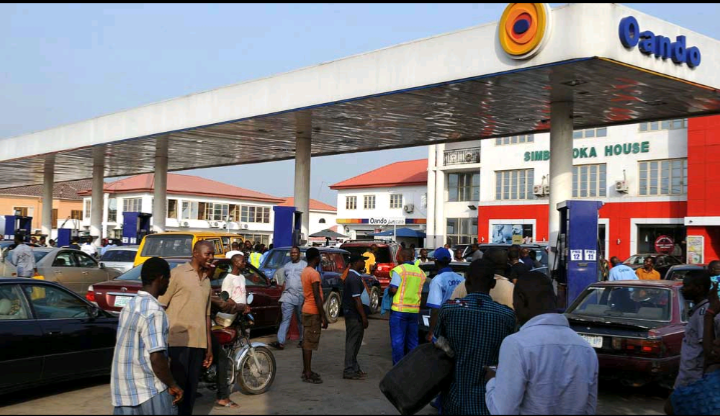

The Nigerian National Petroleum Company (NNPC) Limited has again pushed up the price of petrol at its service stations in the Federal Capital Territory. On Wednesday, pump prices climbed to ₦839 per litre in Abuja, marking a noticeable jump in the cost of Premium Motor Spirit (PMS). In neighbouring Lagos, the price now sits at ₦835 per litre following the adjustment.
This change represents a ₦20 increase from the previous price of ₦815 per litre in Abuja and a similar upward revision in Lagos. The shift aligns with broader pricing movements in Nigeria’s downstream energy market, where costs at the refinery level have been rising.
“NNPC Ltd raises petrol price to N839 per litre in Abuja” captures the immediate news headline that has dominated social media and fuel market discussions today.
The latest adjustment comes shortly after major refiners adjusted their own benchmark prices. Dangote Petroleum Refinery increased its ex-gantry petrol price to ₦799 per litre, up from ₦699, prompting ripples across the petrol supply chain. This refinery-level change has influenced wholesale and retail pricing, helping to push pump rates higher.
Consumers across cities like Abuja and Lagos will now spend more at the petrol station, and the increase is likely to ripple out into other parts of daily life. Transport operators may pass higher fuel costs on to commuters, which could push up fares. Higher logistics costs may also lead to increases in the price of goods and basic services, adding to inflationary pressures that many Nigerians are already feeling.
This petrol price rise adds fresh pressure to household budgets and inflation in Nigeria’s economy. Higher fuel costs increase transportation and production expenses, eroding consumer purchasing power and potentially slowing economic growth if sustained. Energy price stability remains crucial as Nigeria navigates post-subsidy market conditions and currency volatility.
Meanwhile, some oil marketers and independent stations are also aligning their prices with these new benchmarks, intensifying competition in an evolving downstream sector. Market analysts suggest that such price moves reflect shifting cost structures, competitive dynamics, and broader efforts to let market forces play a larger role in fuel pricing.
As this story continues to unfold, transport costs, inflation figures, and consumer sentiment will be key economic indicators to watch in the coming weeks.