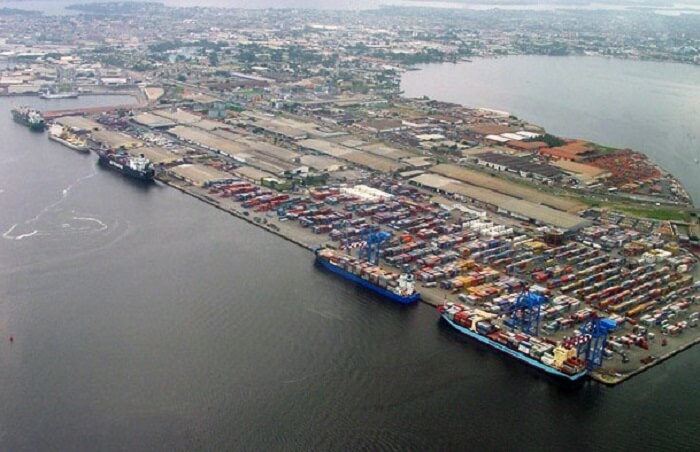

Côte d’Ivoire’s government has unveiled a new plan to modernise its transport and logistics system by introducing container movement via inland waterways in Abidjan, a strategic initiative aimed at reducing chronic congestion on the city’s roads. The plan, approved by the Council of Ministers, will allow goods to be transported by barge through port waters, shifting freight traffic from trucks to barges and easing pressure on road infrastructure. The move forms part of a broader strategy to boost the efficiency and competitiveness of the Port of Abidjan, a key regional trade hub serving landlocked neighbours including Mali, Burkina Faso, and Niger.
Authorities say the reform will improve traffic flow, cut pollution from heavy-duty trucks, and enhance road safety in Abidjan, where congestion has long been a constraint on productivity and quality of life. The plan also includes designated logistics zones and restricted routes for trucks, with some bans on crossing the city. Operators in the sector will be required to obtain government approval under a new regulatory framework, ensuring compliance with the reformed system.
The Port of Abidjan is a critical asset for the Ivorian economy, handling a significant share of the country’s trade and serving as a transit point for the region. However, road congestion has increasingly undermined its efficiency, with trucks spending hours navigating Abidjan’s traffic to move containers between the port and warehouses. The inland waterway alternative offers a faster, more predictable route, potentially reducing logistics costs for importers and exporters and improving the port’s competitive position relative to other West African hubs such as Tema in Ghana and Cotonou in Benin.
The government says the move will strengthen supply chains and improve urban living standards across Côte d’Ivoire. For businesses, the reform could translate into lower transport costs, reduced inventory holding times, and more reliable delivery schedules. The success of the initiative will depend on the availability of suitable barges, the development of loading and unloading facilities along the waterway, and the willingness of logistics operators to adopt the new system. The government’s commitment to regulatory enforcement will also be critical to ensuring that the transition away from road transport is effective and sustainable.