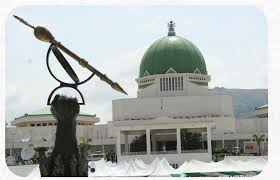

Ahead of the 2027 general elections, Nigeria’s National Assembly is considering a major adjustment to the country’s electoral calendar, proposing that presidential and governorship polls be held in November 2026, instead of the traditional February–March schedule.
The proposal forms part of draft amendments to the 2022 Electoral Act, which were unveiled on Monday during a public hearing organised by the joint committee on electoral matters of both the Senate and the House of Representatives. According to the draft, elections into the offices of President and Governor must be conducted no later than 185 days before the expiration of tenure on May 29, a provision that effectively places the next polls in November 2026.
Lawmakers explained that the adjustment is intended to create a wider window for resolving election petitions and appeals before the inauguration of new officeholders. They said this would help reduce post-election tensions and ensure a smoother transition of power. In recent election cycles, courts have continued to adjudicate on key election disputes even after elected leaders have assumed office, raising concerns about the integrity and finality of the process.
The proposed amendment also introduces several reforms aimed at enhancing transparency, inclusivity, and efficiency in the conduct of elections. Among the key provisions are early voting for categories of Nigerians whose official duties prevent them from voting on election day, including security personnel, journalists, accredited observers, and election officials.
In addition, the draft legislation makes electronic transmission of results mandatory, reinforcing measures that were first introduced in the 2022 Act. Lawmakers said this provision would help strengthen public confidence in the credibility of elections by reducing opportunities for result manipulation during the collation process.
Stakeholders present at the hearing, including representatives of the Independent National Electoral Commission (INEC), civil society organisations, and political parties, largely welcomed the proposals. INEC officials particularly supported the call for an earlier election timetable, noting that it aligns with the Commission’s long-standing advocacy for a more realistic timeframe to conclude election petitions before the start of new administrations.
The amendments also propose stiffer penalties for electoral offences, including vote-buying, ballot-snatching, and falsification of results, in a bid to deter malpractice and safeguard the sanctity of the ballot. Lawmakers emphasised that the reforms would also require constitutional alignment to ensure consistency between the Electoral Act and the 1999 Constitution (as amended).
If adopted, the changes could represent one of the most significant overhauls of Nigeria’s electoral timetable in recent history, potentially influencing political party primaries, campaign planning, and voter mobilisation strategies ahead of 2027.
Observers note that the success of the proposed reforms will depend on political consensus, institutional preparedness, and the willingness of all actors to uphold democratic principles rather than partisan interests.
The National Assembly is expected to continue deliberations on the draft amendments in the coming weeks, following further consultations with electoral stakeholders and constitutional experts.