
Sunday, October 18, 2026
  • Login
No Result
View All Result
The Business Times
  • News
  • BT Exclusive
  • Economy
  • Business
  • Financial Markets
  • Politics
  • Energy
  • Insights
  • Sports
  • News
  • BT Exclusive
  • Economy
  • Business
  • Financial Markets
  • Politics
  • Energy
  • Insights
  • Sports
No Result
View All Result
The Business Times
No Result
View All Result
Home Economy

Liquidity Pressures Drive Naira to Weekly Loss

bySodiq Adeoyo
March 29, 2026
in Economy, Banking
0
Naira Struggles Amid Persistent Dollar Scarcity
36
VIEWS
Share on FacebookShare on Twitter

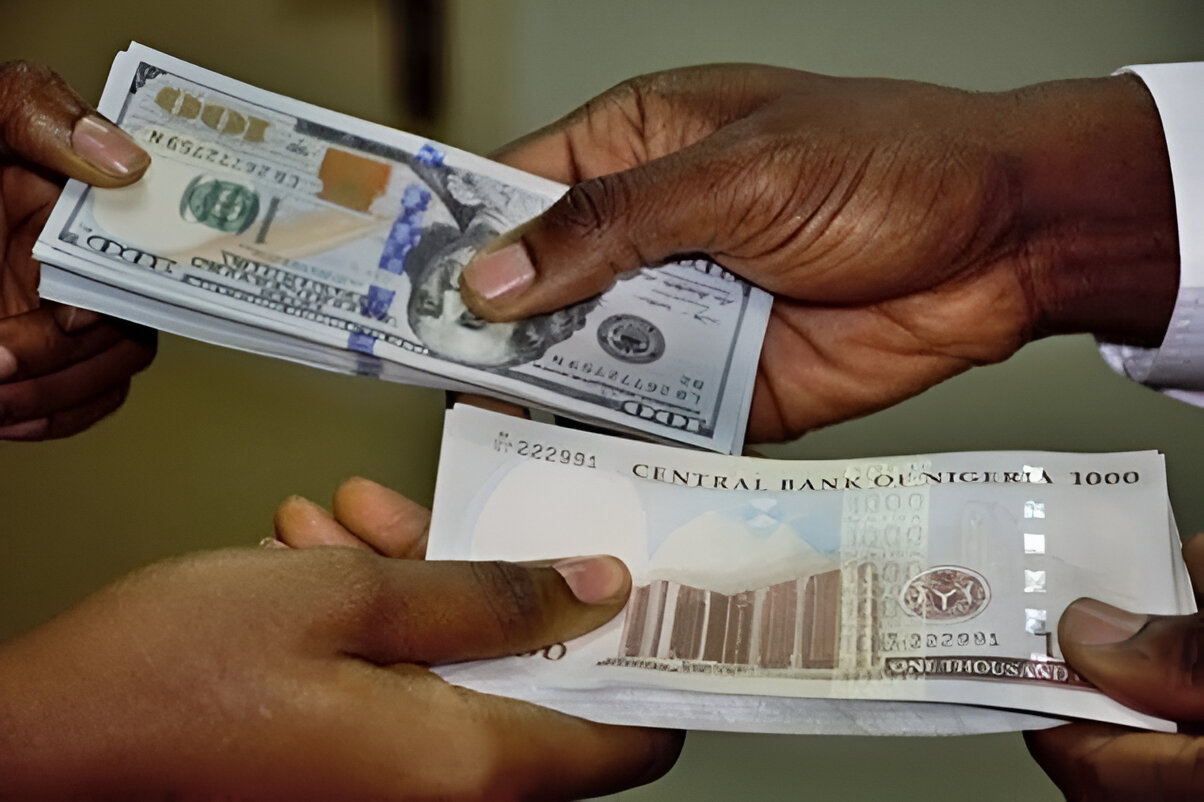
Nigeria’s Naira concluded the trading week on March 27, 2026, with a significant decline against the United States dollar, despite recording marginal day-to-day recoveries. Data from the Central Bank of Nigeria (CBN) indicates the currency closed at ₦1,380.58 per dollar in the official market, representing a weekly depreciation of ₦21.68. This volatility is increasingly linked to the sustained depletion of Nigeria’s external reserves, which fell for the ninth consecutive day to approximately $49.48 billion. While the reserves remain relatively high by historical standards, the recent downward trend has constrained the apex bank’s capacity to intervene decisively in the Foreign Exchange (FX) market.

The divergence between the official and parallel markets remains a critical focal point for macroeconomic stability. In the unofficial market, the Naira weakened further to ₦1,415 per dollar, widening the premium and fueling speculative pressures. To counteract this, the CBN has introduced a suite of reforms aimed at boosting dollar liquidity, including allowing oil companies full access to their export proceeds and tightening the regulatory framework for international remittances. From a business journalism perspective, these measures are essential for enhancing market transparency and restoring investor confidence, which has been rattled by persistent currency instability and its attendant inflationary effects on the cost of imported raw materials.

Institutional integrity and the success of these FX reforms are vital for the “Renewed Hope” agenda’s goal of a $1 trillion economy. Analysts suggest that if the new liquidity measures successfully attract higher autonomous inflows, the Naira could stabilize in the medium term. However, the immediate pressure on external reserves remains a significant hurdle. For Nigerian businesses, particularly those in the manufacturing and retail sectors, the widening gap between the two markets continues to complicate forward planning and pricing strategies. Achieving a converged and stable exchange rate is no longer just a monetary goal; it is a fundamental requirement for protecting the purchasing power of Nigerian households and ensuring long-term industrial sovereignty.

Tags: Central Bank of NigeriaExternal ReservesFX LiquidityMacroeconomic StabilityNaira Exchange RateOfficial MarketOlayemi Cardosoparallel marketRenewed Hope Agenda
Sodiq Adeoyo

Sodiq Adeoyo

Next Post
Nigeria’s Banking Sector Sees Record $13.53 Billion Foreign Inflows in 2025

Nigeria's Banking Sector Sees Record $13.53 Billion Foreign Inflows in 2025

Leave a Reply Cancel reply

Your email address will not be published. Required fields are marked *

Recommended

WPG Sells Eko Disco Stake for N360bn

WPG Sells Eko Disco Stake for N360bn

10 months ago
Côte d’Ivoire Plans Overhaul of Ageing Water Distribution Network

Côte d’Ivoire Plans Overhaul of Ageing Water Distribution Network

7 months ago

Popular News

  • Covenant University Experts Seek New Solutions to Nigeria’s Food Crisis

    Covenant University Experts Seek New Solutions to Nigeria’s Food Crisis

    0 shares
    Share 0 Tweet 0
  • Gombe community gets 1MW solar power after more than 15 years without electricity

    0 shares
    Share 0 Tweet 0
  • SEC Moves Capital Market Conference to Afreximbank Trade Centre

    0 shares
    Share 0 Tweet 0
  • Nigeria Launches 3,700-Tower Project to Boost Rural Connectivity

    0 shares
    Share 0 Tweet 0
  • NCC Sets Up Internet Governance Group as Survey Exposes Compliance Gaps

    0 shares
    Share 0 Tweet 0

Connect with us

Facebook Twitter Instagram TikTok

Newsletter

Pages

  • About Page
  • Contact
  • Domestic Gas Sales Rise 30% as Nigeria’s Energy Reforms Gain Traction
  • Privacy Policy
  • Terms & Conditions

Navigation

  • News
  • BT Exclusive
  • Economy
  • Business
  • Financial Markets
  • Politics
  • Energy
  • Insights
  • Sports

© 2025 The Business Times NG .

Welcome Back!

OR

Login to your account below

Forgotten Password?

Retrieve your password

Please enter your username or email address to reset your password.

Log In
No Result
View All Result
  • Home
  • News
  • BT Exclusive
  • Economy
  • Business
  • Financial Markets
  • Politics
  • Energy
  • Insights
  • Sports

© 2025 The Business Times NG .