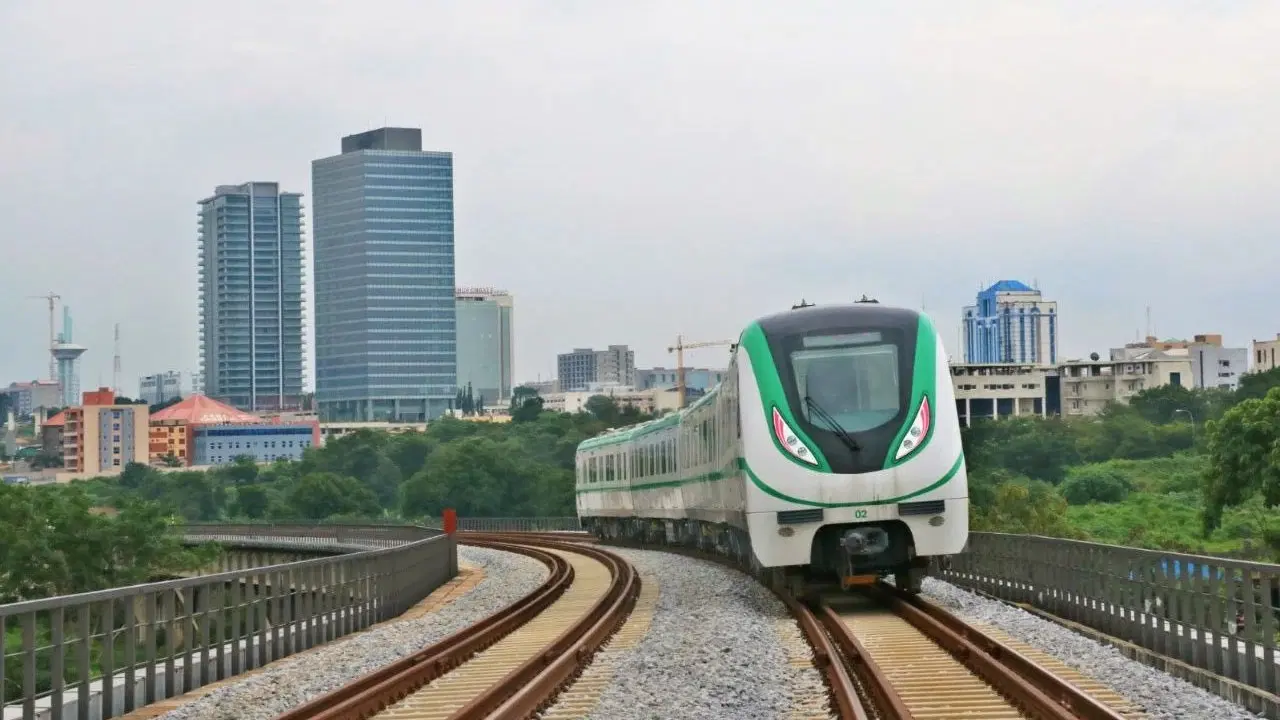

The derailment of the Abuja-Kaduna train service on Monday near Asham has sent ripples through Nigeria’s transport sector, highlighting the fragile state of critical economic corridors.
Managing Director of the Nigerian Railway Corporation, Kayode Opeifa, confirmed that while no fatalities were recorded, multiple passengers sustained injuries and were evacuated to Idu station for medical care. Beyond the immediate physical toll, the incident underscores a recurring instability in one of the nation’s most profitable and strategically vital transit routes.
For the civilian population, the Abuja-Kaduna rail line is not merely a convenience but a lifeline that bypasses the security risks and high costs of road travel. This latest disruption threatens to erode the hard-won public trust in the railway system as a safe and reliable alternative.
When a primary transit artery fails, the immediate economic fallout is felt by the daily commuters and small-scale traders whose livelihoods depend on predictable schedules. Increased downtime leads to lost man-hours and places an additional burden on the healthcare system as it manages the influx of injured passengers.
Assessing the Fiscal Impact and Infrastructure Integrity
From a governmental and business perspective, derailments represent a significant drain on the treasury and a deterrent to private sector investment. Each incident necessitates costly recovery operations, forensic audits, and a pause in revenue generation.
For the NRC, the challenge now lies in pinpointing whether the cause was mechanical failure, human error, or infrastructure fatigue. Repeated service interruptions on this route signal to both domestic and international investors that Nigeria’s logistics backbone requires more than just maintenance. it needs a systemic overhaul to ensure the long-term viability of the African Continental Free Trade Area (AfCFTA) goals.
The investigation currently being spearheaded by the NRC must move beyond identifying the immediate cause to addressing the broader structural deficiencies. For the government, the focus must shift toward predictive maintenance technologies and a more robust safety oversight framework.
Ensuring the resilience of the rail network is essential for stabilizing transport costs, which directly influence inflation and the price of goods moving between the capital and Northern commercial hubs.