
Tuesday, October 13, 2026
  • Login
No Result
View All Result
The Business Times
  • News
  • BT Exclusive
  • Economy
  • Business
  • Financial Markets
  • Politics
  • Energy
  • Insights
  • Sports
  • News
  • BT Exclusive
  • Economy
  • Business
  • Financial Markets
  • Politics
  • Energy
  • Insights
  • Sports
No Result
View All Result
The Business Times
No Result
View All Result
Home News

Abuja-Kaduna Train Derailment Signals Economic High-Cost and Logistics Strain

byDare Iretomide
March 16, 2026
in News, Economy
0
Abuja-Kaduna Train Derailment Signals Economic High-Cost and Logistics Strain
28
VIEWS
Share on FacebookShare on Twitter

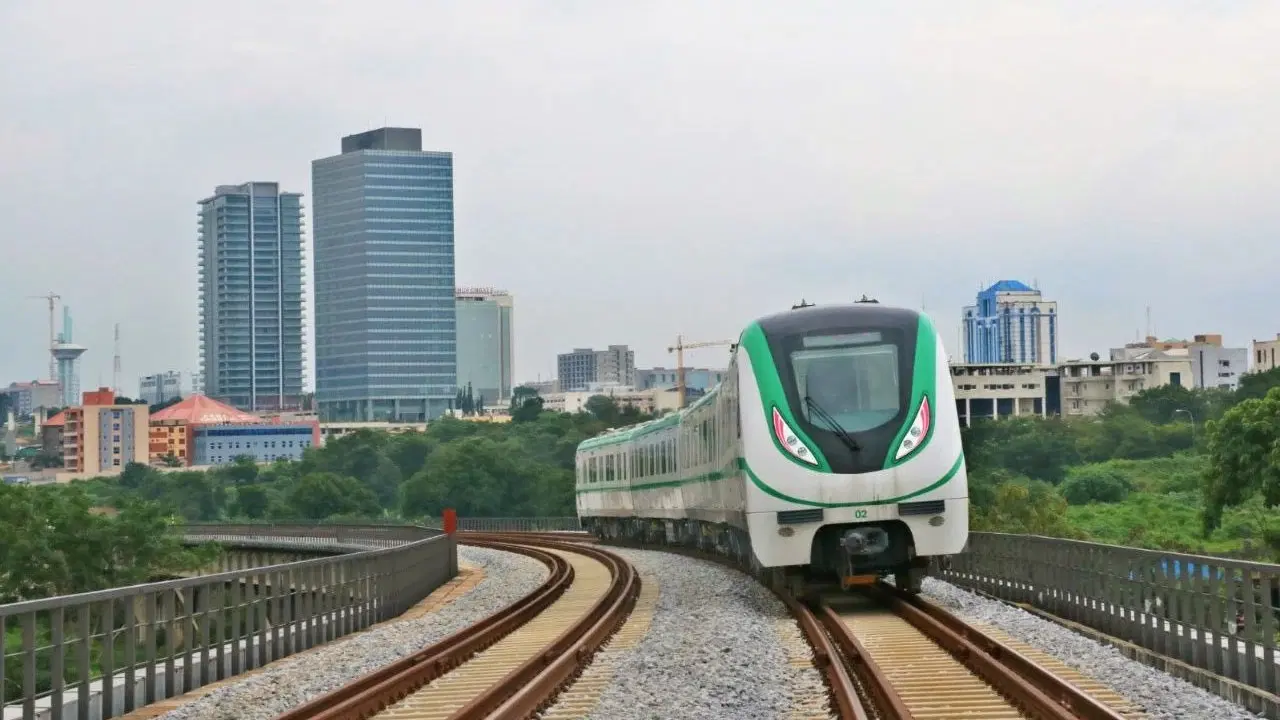
The derailment of the Abuja-Kaduna train service on Monday near Asham has sent ripples through Nigeria’s transport sector, highlighting the fragile state of critical economic corridors.

Managing Director of the Nigerian Railway Corporation, Kayode Opeifa, confirmed that while no fatalities were recorded, multiple passengers sustained injuries and were evacuated to Idu station for medical care. Beyond the immediate physical toll, the incident underscores a recurring instability in one of the nation’s most profitable and strategically vital transit routes.

For the civilian population, the Abuja-Kaduna rail line is not merely a convenience but a lifeline that bypasses the security risks and high costs of road travel. This latest disruption threatens to erode the hard-won public trust in the railway system as a safe and reliable alternative.

When a primary transit artery fails, the immediate economic fallout is felt by the daily commuters and small-scale traders whose livelihoods depend on predictable schedules. Increased downtime leads to lost man-hours and places an additional burden on the healthcare system as it manages the influx of injured passengers.

Assessing the Fiscal Impact and Infrastructure Integrity

From a governmental and business perspective, derailments represent a significant drain on the treasury and a deterrent to private sector investment. Each incident necessitates costly recovery operations, forensic audits, and a pause in revenue generation.

For the NRC, the challenge now lies in pinpointing whether the cause was mechanical failure, human error, or infrastructure fatigue. Repeated service interruptions on this route signal to both domestic and international investors that Nigeria’s logistics backbone requires more than just maintenance. it needs a systemic overhaul to ensure the long-term viability of the African Continental Free Trade Area (AfCFTA) goals.

The investigation currently being spearheaded by the NRC must move beyond identifying the immediate cause to addressing the broader structural deficiencies. For the government, the focus must shift toward predictive maintenance technologies and a more robust safety oversight framework.

Ensuring the resilience of the rail network is essential for stabilizing transport costs, which directly influence inflation and the price of goods moving between the capital and Northern commercial hubs.

Tags: Abuja-Kaduna TrainFeaturedKayode OpeifaNRCTrain Derailment
Dare Iretomide

Dare Iretomide

Next Post
Nigerian Crude Climbs Above $100 per Barrel Amid Strait of Hormuz Crisis

Brent Surpasses $105 as Strait of Hormuz Stoppage Threatens Fiscal Stability

Leave a Reply Cancel reply

Your email address will not be published. Required fields are marked *

Recommended

AfDB Chief Economist Says Africa Can Unlock Over $780 Billion Through Better Tax Systems

3 months ago

Nigeria’s Inflation to Drop to 14% in 2026, Says MAN, Predicts 23% Interest Rate and Stronger Naira

12 months ago

Popular News

  • Dangote Refinery Cuts Petrol Price Again, Lowers Ex-Depot Rate to N1,075/Litre

    Dangote Refinery Extends ₦2.15tn IPO Deadline to October 27

    0 shares
    Share 0 Tweet 0
  • Indonesia Offers Nigerian Investors Tax Breaks, Visa Perks

    0 shares
    Share 0 Tweet 0
  • Owerri Airport to Close for 25 Days From October 20 for Runway Repair

    0 shares
    Share 0 Tweet 0
  • Okonjo Iweala Urges Countries to Diversify Global Production

    0 shares
    Share 0 Tweet 0
  • Peter Obi Questions World Bank’s Positive Nigeria Growth Forecast

    0 shares
    Share 0 Tweet 0

Connect with us

Facebook Twitter Instagram TikTok

Newsletter

Pages

  • About Page
  • Contact
  • Domestic Gas Sales Rise 30% as Nigeria’s Energy Reforms Gain Traction
  • Privacy Policy
  • Terms & Conditions

Navigation

  • News
  • BT Exclusive
  • Economy
  • Business
  • Financial Markets
  • Politics
  • Energy
  • Insights
  • Sports

© 2025 The Business Times NG .

Welcome Back!

OR

Login to your account below

Forgotten Password?

Retrieve your password

Please enter your username or email address to reset your password.

Log In
No Result
View All Result
  • Home
  • News
  • BT Exclusive
  • Economy
  • Business
  • Financial Markets
  • Politics
  • Energy
  • Insights
  • Sports

© 2025 The Business Times NG .