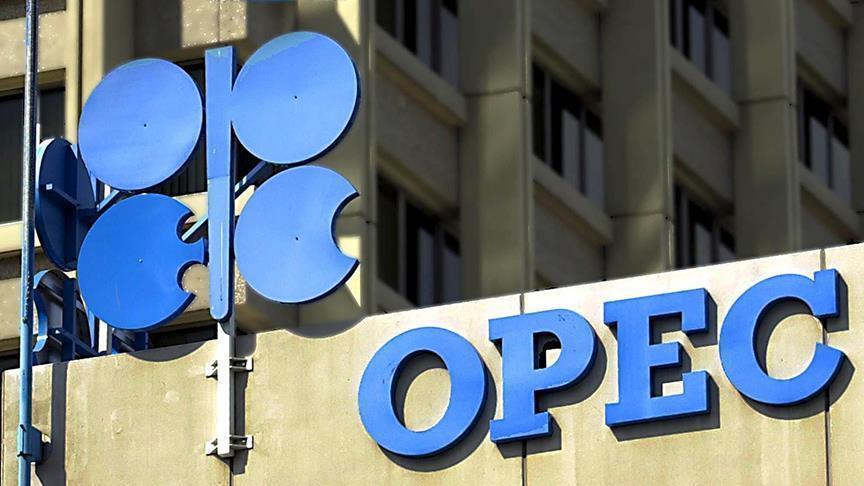

The OPEC+ alliance has agreed to increase oil production in response to rising geopolitical tensions in the Middle East, a move aimed at stabilising global energy markets as supply risks deepen. The decision comes at a time when escalating conflict in the Gulf region threatens shipping routes and fuels uncertainty over crude availability.
According to reports, “OPEC+ has agreed in principle to a slightly larger increase in oil production next month as a conflict sparked by US-Israeli strikes on Iran threatens to push crude prices higher.”
The producers’ group, led by Saudi Arabia and Russia, approved an output increase of about 206,000 barrels per day beginning in April 2026. The adjustment marks a resumption of production hikes after a pause earlier in the year and reflects growing concern that geopolitical disruptions could tighten global supply faster than anticipated.
The decision follows a sharp escalation in hostilities involving Iran, the United States and Israel, which has disrupted oil shipments across the Gulf. Shipping activity through the Strait of Hormuz, a critical route responsible for roughly one fifth of global oil flows, has slowed significantly amid security fears and retaliatory attacks.
Oil markets reacted quickly to the crisis. Prices climbed as traders priced in supply risks linked to transport disruptions rather than actual production shortages. Analysts note that while OPEC+ intends to calm markets, the modest scale of the increase may have limited immediate impact because geopolitical developments now dominate price movements.
Industry observers argue that most producers have little spare capacity available. Outside Saudi Arabia and the United Arab Emirates, many members are already producing close to their limits, reducing the group’s ability to offset a prolonged disruption.
The production adjustment also reflects a balancing act within the alliance. On one hand, OPEC+ seeks to prevent excessive price spikes that could weaken global demand and accelerate energy transition policies. On the other, members remain cautious about oversupplying the market if tensions ease quickly.
Market analysts emphasise that the increase is largely symbolic compared with the scale of potential supply losses should the Gulf crisis worsen. Even with higher output targets, physical delivery remains dependent on secure shipping routes and stable regional infrastructure.
The broader geopolitical environment continues to shape expectations. Military exchanges and threats to maritime transit have already forced vessels to delay or reroute journeys, increasing freight costs and insurance premiums across global energy trade. These disruptions, rather than production policy alone, are now the primary driver of oil price volatility.
For oil-exporting countries, higher prices may support revenues in the short term. However, importing economies face renewed inflationary pressure as fuel costs rise, potentially slowing economic recovery in several regions.
Ultimately, OPEC+’s latest decision signals caution rather than aggression. By approving a measured production increase, the alliance aims to reassure markets without committing to aggressive supply expansion amid an uncertain geopolitical outlook.
As tensions persist, the effectiveness of the output hike will depend less on barrels added and more on whether stability returns to one of the world’s most strategic energy corridors.