
Reliable electricity is one of the most important ingredients for a thriving economy. From small businesses and factories to hospitals, schools, and technology companies, every sector depends on a steady supply of power to operate efficiently. When electricity is stable, businesses can reduce costs, increase productivity, create jobs, and contribute more to national economic growth.
In Nigeria, inconsistent electricity has remained one of the biggest challenges facing businesses. Many companies spend large amounts of money on diesel, petrol, and alternative power sources just to keep their operations running. These additional costs often reduce profits, increase the prices of goods and services, and make local businesses less competitive.
For small and medium-sized enterprises (SMEs), stable electricity can make a significant difference. Hair salons, restaurants, bakeries, fashion designers, welders, cybercafés, and other small businesses rely heavily on electricity to serve customers. Frequent power outages can disrupt operations, damage equipment, and lead to lost income. With reliable electricity, these businesses can work longer hours, serve more customers, and expand their operations.
The manufacturing sector also benefits greatly from dependable power. Factories require continuous electricity to operate machinery, preserve raw materials, and maintain production schedules. When power is interrupted, production slows down, deadlines are missed, and operating costs increase. Stable electricity enables manufacturers to produce more efficiently, reduce waste, and compete with imported goods.
Reliable power also encourages local and foreign investment. Investors often consider the quality of a country’s infrastructure before deciding where to establish businesses. Nations with dependable electricity are generally more attractive because companies can operate with fewer disruptions and lower operating costs. Increased investment often leads to new industries, higher production, and more employment opportunities.
The digital economy is another area that depends on stable electricity. Banks, fintech companies, telecommunications providers, software developers, and data centres require uninterrupted power to deliver services. As Nigeria’s technology sector continues to grow, reliable electricity will become even more critical for supporting innovation and digital transformation.
Agriculture also stands to gain from improved power supply. Farmers and agribusinesses use electricity for irrigation systems, cold storage facilities, food processing, and packaging. Stable electricity helps reduce post-harvest losses, preserve food quality, and improve the efficiency of agricultural value chains, ultimately strengthening food security.
Beyond business operations, stable electricity improves the quality of life for citizens. Schools can provide better learning environments, hospitals can offer uninterrupted medical services, and households can enjoy greater comfort and productivity. These improvements contribute to the development of a healthier and more skilled workforce, which is essential for long-term economic growth.
Governments also benefit when electricity is reliable. As businesses expand and become more profitable, they pay more taxes, which increases public revenue. These funds can then be invested in roads, healthcare, education, and other critical infrastructure that further supports economic development.
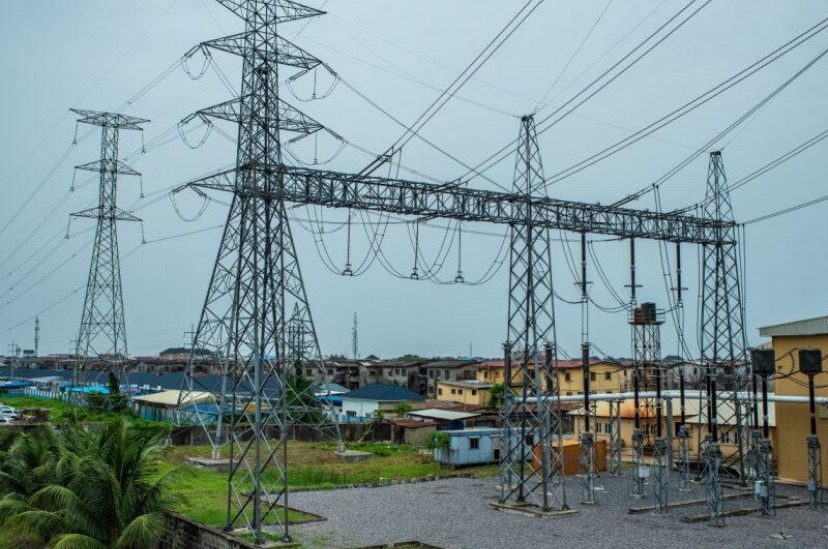
Although Nigeria has made progress in expanding electricity generation and encouraging private sector participation in the power sector, experts say more investment is needed in transmission, distribution, and renewable energy. Improving the efficiency of the power value chain will help ensure that generated electricity reaches homes and businesses consistently.
Energy experts believe that solving electricity challenges could unlock enormous economic opportunities for Nigeria. Lower operating costs would allow businesses to invest more in growth, create additional jobs, and improve their competitiveness in regional and global markets.
As the country seeks to diversify its economy and promote sustainable development, stable electricity will remain one of the most important drivers of productivity, investment, and inclusive economic growth. Reliable power is more than a utility—it is the foundation upon which businesses flourish and economies prosper.