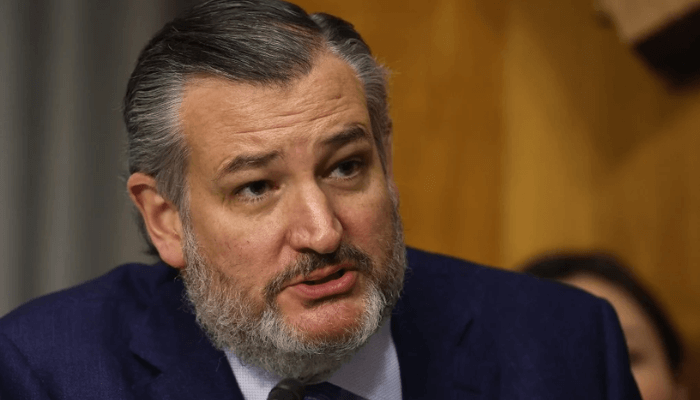

United States Senator Ted Cruz has reignited the controversy surrounding Nigeria’s human rights record, calling for the country to be redesignated as a Country of Particular Concern (CPC) and for sanctions to be imposed on Nigerian officials allegedly linked to the persecution of Christians.
Cruz made the remarks in a post on his official X handle, stating that he had been “pushing legislation to designate Nigeria a CPC and to impose sanctions on the Nigerian officials responsible.” The Republican senator also expressed gratitude to former US President Donald Trump for “fighting to stop the murder of Christians in Nigeria,” crediting him for previously reinstating the CPC status in 2020.
The senator further revealed plans to name specific Nigerian officials he believes should be held accountable in the coming days and weeks.
Political and Diplomatic Repercussions
Cruz’s statement has reignited debate in Washington over Nigeria’s removal from the CPC list in 2021 under the Biden administration. Several US-based Christian advocacy groups have continued to press for the country’s reclassification, citing recurring attacks on Christian communities and what they describe as government inaction.
In contrast, the Nigerian government has consistently denied allegations of religious persecution, arguing that the violence affecting different parts of the country stems from banditry, terrorism, and farmer–herder conflicts, not religion.
Officials in Abuja often describe the accusations as “politically motivated,” warning that such claims risk damaging Nigeria’s international image and foreign investment prospects.
Economic Implications for Nigerians
Beyond the diplomatic tensions, experts warn that renewed US sanctions could carry heavy economic costs for Nigeria and its citizens. Sanctions would likely target financial assets and transactions involving government officials, but the ripple effects could tighten the flow of foreign investments and weaken confidence in Nigeria’s economy.
Already grappling with inflation above 30 percent and a volatile exchange rate, the country’s fragile economy could face further pressure if relations with the US, a key trade partner and development donor, deteriorate.
Economic analysts fear that restrictions on Nigerian officials or institutions could discourage US firms and allies from doing business in Nigeria, further reducing foreign exchange inflows and pushing the Naira to new lows.
For the average Nigerian, this could translate into more hardship through higher food and fuel prices, increased cost of imports, and a slower recovery in job creation.