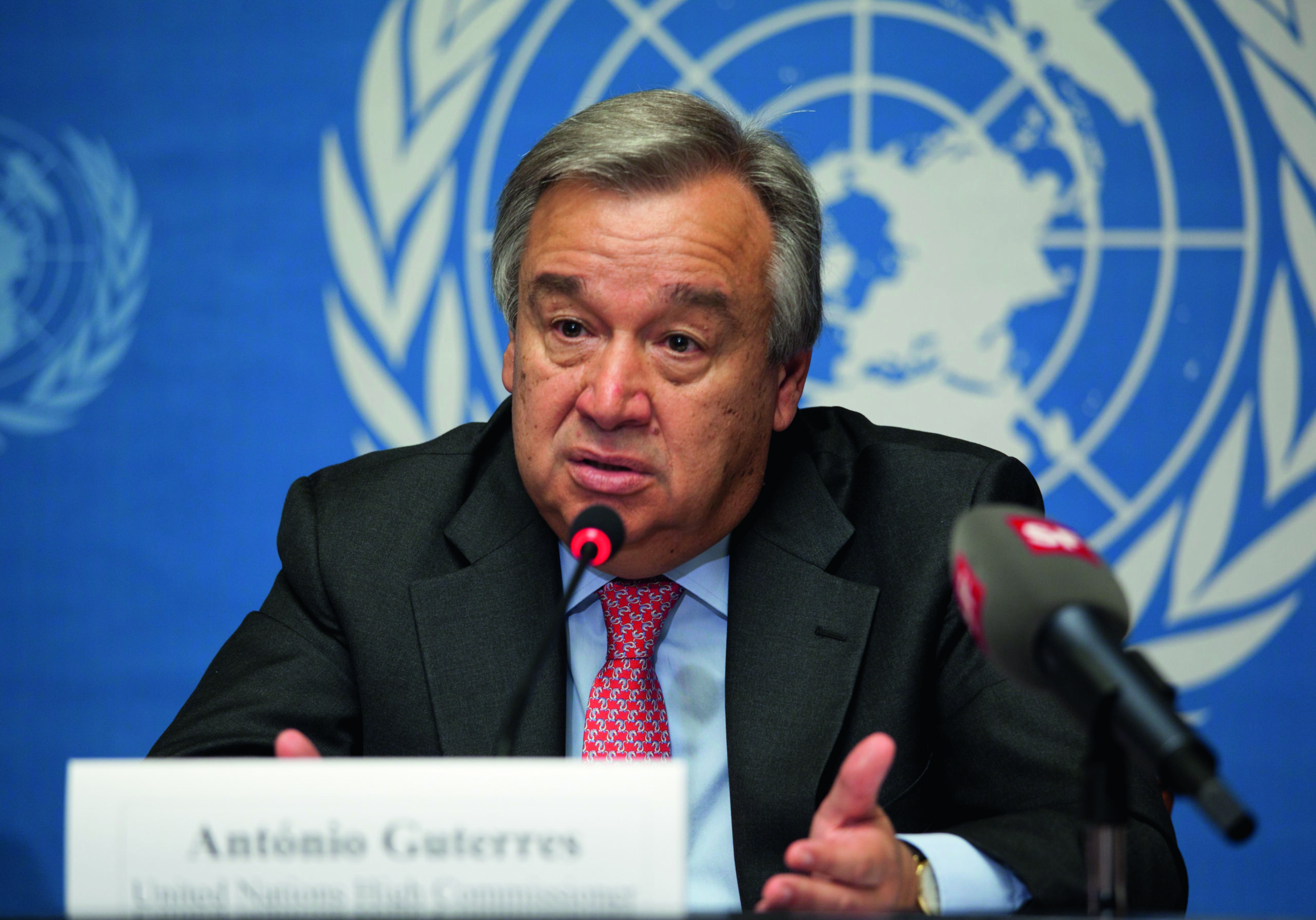

A stark warning from the United Nations Secretary-General that the “law of the jungle” is replacing the rule of law on the global stage carries profound and immediate risks for the Nigerian economy. This erosion of the international legal order threatens to escalate the very conflicts that disrupt Nigeria’s trade, increase its security costs, and deter the foreign investment essential for growth and development.
Speaking at a high-level meeting of the UN Security Council, Secretary-General António Guterres issued a grave assessment of current global tensions. He stated that the world is witnessing a “breakdown of global governance” where geopolitical divides and great-power competition are paralyzing international institutions. His core warning, that “the rule of law is the foundation of cooperation and peace. But the law of the jungle is a recipe for conflict and chaos,” directly implicates the economic environment. For an emerging economy like Nigeria, which relies on predictable rules for trade, investment, and regional stability, this global shift from order to chaos is a direct threat to its economic planning and stability.
The first and most significant economic impact is on foreign direct investment (FDI). Investors allocate capital based on risk assessments, and a world perceived as moving toward a more chaotic, zero-sum “jungle” ethos dramatically increases perceived political risk. Nigeria competes for capital in a global market; if international law and peaceful dispute resolution mechanisms are weakened, investors will demand higher risk premiums or withdraw from volatile regions altogether. This could constrict the flow of capital needed for critical infrastructure, energy, and technology projects, slowing economic diversification and job creation.
Secondly, the weakening of the rules-based order directly empowers the forces of regional instability that Nigeria must spend heavily to contain. The Secretary-General specifically linked the disregard for law to “wars, coups, and conflicts,” citing Gaza, Ukraine, and Sudan. In Nigeria’s own context, a world where might makes right and territorial integrity is less respected emboldens non-state actors and complicates regional security. The nation already allocates a substantial portion of its budget to security. A more anarchic international environment could further stretch these fiscal resources, diverting funds from vital social and economic infrastructure like power, roads, and education, thereby crippling long-term productivity.
Furthermore, Nigeria’s economic fortunes are tied to global trade routes governed by maritime law. The Secretary-General’s warning underscores threats to “the law of the sea,” which ensures freedom of navigation. The Gulf of Guinea, vital for Nigeria’s oil exports, has been a hotspot for piracy. A decline in respect for international maritime law would exacerbate such security challenges, raising shipping insurance costs, disrupting supply chains, and jeopardizing the export earnings upon which the national budget depends. Stability in the Gulf is not just a security issue but a fundamental economic imperative.
Finally, the “law of the jungle” paradigm threatens the multilateral frameworks that Nigeria relies on for debt restructuring, climate finance, and trade agreements. As Guterres noted, a world where power prevails over rules disadvantages smaller and developing nations. Nigeria’s ability to negotiate fair terms in these arenas diminishes if the foundational principles of agreed-upon law are abandoned. This could leave the country more vulnerable to unfavorable economic terms and with less recourse to address challenges like climate change, which itself poses massive risks to agriculture and livelihoods.
The UN chief’s alarm is not merely a diplomatic concern but a clear economic warning. For Nigeria, a nation navigating complex security challenges and urgent development needs, a regression to a global “jungle” undermines the foundations of economic security. It promises higher costs, greater instability, and reduced opportunity. Strengthening a rules-based order, both internationally and within its own borders, is therefore not a foreign policy abstraction but a critical prerequisite for Nigeria’s sustainable economic future.