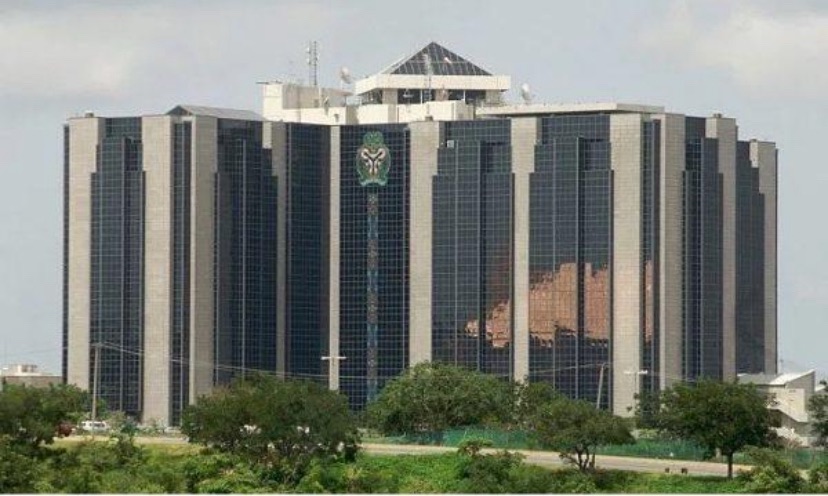

Nigeria’s benchmark interest rate could rise in the second half of 2026 as the Central Bank of Nigeria (CBN) responds to growing inflation risks linked to spending ahead of the 2027 general elections.
This projection was made by capital market expert, Professor Uche Uwaleke, during the Arthur Steven Asset Management Mid-Year Macroeconomic Review and Outlook webinar. He explained that Nigeria has historically experienced higher inflation in the period leading up to general elections because of increased government and political spending.
According to Uwaleke, when more money enters the economy through heavy spending, inflation often rises. To control this, the CBN may decide to increase the Monetary Policy Rate (MPR), which is the country’s benchmark interest rate.
He said previous election cycles have shown a similar pattern, making another rate hike a strong possibility if inflation continues to be driven by excess liquidity.
The economist also explained that higher interest rates could affect different parts of the financial market in different ways. He noted that the stock market usually performs poorly when interest rates increase because investors tend to move their money away from shares and into fixed-income investments, which offer more attractive returns during such periods.
According to him, bonds and other fixed-income assets are likely to benefit if the CBN decides to raise rates again, while the equities market could experience slower growth as investors become more cautious.
However, Uwaleke stressed that the central bank’s decision will depend largely on how fiscal authorities and politicians manage public spending in the months ahead. He said that if political leaders maintain financial discipline and avoid excessive spending that increases money supply, the CBN may not need to tighten monetary policy further.
Despite this possibility, he advised investors to remain cautious and consider increasing their exposure to fixed-income securities to take advantage of potentially higher yields if interest rates are raised.
During the webinar, the Director-General of the Securities and Exchange Commission (SEC), Dr. Emomotimi Agama, highlighted ongoing efforts to strengthen Nigeria’s capital market and improve investor confidence.
He said the SEC has continued discussions with international investors and global market operators to address concerns surrounding Nigeria’s T+1 settlement system. According to him, these efforts are aimed at ensuring the country’s financial market remains in line with international standards and attracts more foreign investment.
Also speaking at the event, the Managing Director and Chief Executive Officer of Arthur Steven Asset Management, Mr. Tunde Amolegbe, said the CBN’s monetary policy decisions will play a major role in determining the direction of Nigeria’s stock market for the rest of 2026.
He explained that investors will closely watch the central bank’s next moves, as interest rate decisions will influence market performance, corporate earnings, foreign exchange stability, and investment activity.
Amolegbe added that other important factors likely to shape the market include possible new company listings on the Nigerian Exchange, the performance of listed firms, and the growing political activities ahead of the 2027 general elections.
Overall, analysts believe the second half of 2026 could bring important changes for investors, with inflation trends, monetary policy decisions, and election-related spending expected to have a significant impact on Nigeria’s financial markets.