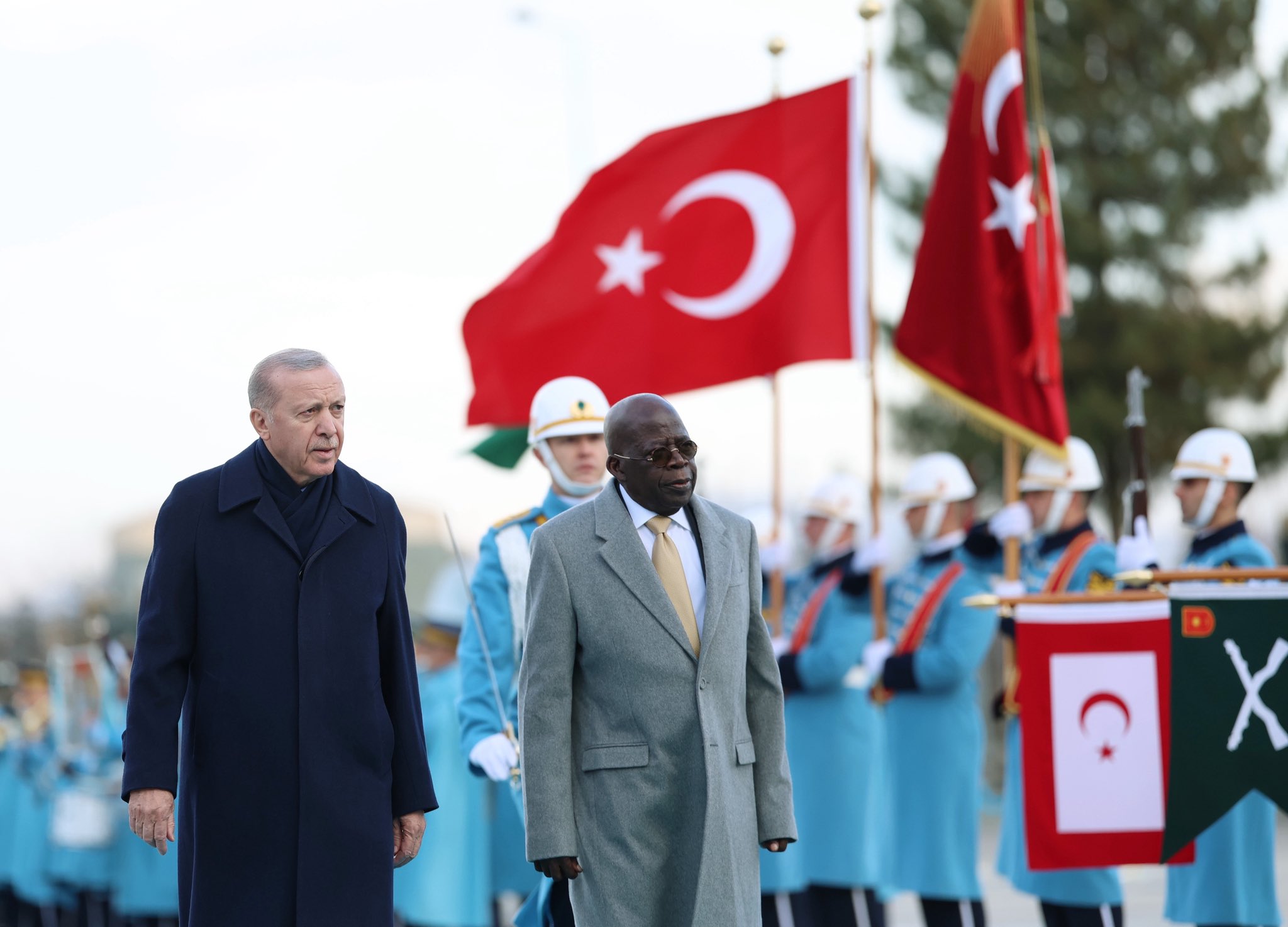

A strategic state visit by President Bola Ahmed Tinubu to Ankara has yielded a substantial economic dividend, formalizing nine new bilateral agreements with Türkiye and establishing an ambitious target to boost two-way trade to $5 billion. The high-level meetings, which reciprocate Turkish President Recep Tayyip Erdogan’s official trip to Nigeria in 2021, have moved the diplomatic relationship into a concrete framework for cooperation with direct implications for Nigerian industry, security, and foreign investment. Central to this new phase is the establishment of a Joint Economic and Trade Committee (JETCO), a body tasked with dismantling long-standing trade barriers and implementing the newly signed pacts across defence, energy, education, and media.
The bold $5 billion trade target represents a significant leap in economic ambition. It builds upon a trading relationship where Nigeria is already Türkiye’s largest partner in Sub-Saharan Africa, with bilateral exchange reaching $688.4 million in the first eleven months of 2025. Achieving this scaled-up goal requires addressing specific obstacles, a point President Tinubu emphasized in direct discussions focused on “the avoidance of double taxation, and removing obstacles to trade.” Success would diversify Nigeria’s export markets and solidify a major non-Western trade corridor, reducing economic over-reliance on traditional partners and creating new avenues for Nigerian goods and services.
The defence and security agreements concluded during the visit carry profound economic significance for Nigeria’s internal stability. The formal Protocol on Military Cooperation, which encompasses training and intelligence sharing, directly supports the fight against militants and criminality that disrupt agricultural production and deter onshore investment in key regions. This partnership, which follows previous acquisitions of Turkish military hardware, aims to enhance security as a foundational requirement for economic activity and growth, protecting vital assets and enabling business operations.
Beyond macro-trade goals, the agreements open specific sectoral opportunities. In education, cooperation pacts promise skills development and research collaboration, building the human capital necessary for a modern economy. The agreement on Halal Accreditation is particularly notable, as it provides a formal gateway for Nigerian agricultural products to access the vast global halal market, potentially unlocking significant new revenue streams for farmers and processors. Furthermore, the established business forum and pledged Turkish investment, currently valued at approximately $400 million with contractor projects reaching $3 billion, create a direct channel for capital inflow and infrastructure development.
The media and diaspora cooperation agreements, while less directly commercial, play a crucial supporting role in shaping economic perception. By fostering partnerships in communication and diaspora policy, Nigeria can better articulate its investment narrative internationally and harness the capital and expertise of its global citizenry for national development projects.
This suite of agreements signals a strategic pivot by Nigeria towards diversified, substantive alliances that promise tangible returns. It brings a committed partner for infrastructure, technology, and market access, aligning with President Tinubu’s declaration that “Nigeria remains open for serious partnership.” The true measure of the visit’s success will now depend on the efficacy of the newly formed JETCO in translating these nine signatures into implemented projects, job creation, and a stronger, more resilient Nigerian economy.