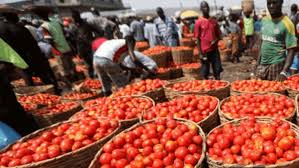

The Tomatoes Growers, Processors and Marketers Association of Nigeria has dismissed concerns over a possible rise in tomato and other vegetable prices during the upcoming Ramadan fast, citing high production levels and favourable harvest timing.
The Kaduna State Chairman of the association, Mr Rabiu Zuntu, disclosed this in an interview with the News Agency of Nigeria on Sunday, saying market conditions this year differ significantly from previous Ramadan periods.
According to Zuntu, tomato and pepper prices, which usually rise during Ramadan, are expected to remain stable or even decline due to a bumper harvest and reduced demand during the fasting period.
“Last year’s planting and harvest season was not beneficial for farmers generally, considering the low price of produce and the high cost of inputs for agricultural produce,” he said.
“The prices of vegetable crops will drop further this Ramadan because the cultivation of most vegetable produce may increase due to the need for some vegetables to break the fast.”
Zuntu explained that food consumption patterns during Ramadan typically reduce overall demand, as Muslims skip breakfast and lunch throughout the fasting period.
“Generally, the production of all food items decreases due to reduced consumption, and the Muslim faithful skip breakfast and lunch during the fast. So, the price of tomatoes may likely crash during Ramadan.
“However, the prices of these produce are determined by the forces of demand and supply. When there is a high supply, the prices always go down,” he added.
He noted that many farmers in northern Nigeria increased vegetable cultivation after prices of grains and other food items declined last year, leading to higher yields despite challenges such as the Tuta absoluta virus.
“This led to high yields, despite the effect of the Tuta absoluta virus,” Zuntu said.
Zuntu also pointed out that Ramadan usually begins around April, a period often marked by low supply as harvest seasons end. However, he said this year’s fasting period, expected to start in February and end in March, aligns with the peak of tomato harvest in major producing states.
“But this year, Ramadan will begin in February and end in March. This period coincides with the peak of the tomato harvest.
“In some northern states like Kaduna, Kano, and other areas where they have yet to pick up the harvest, this means the price of tomatoes may crash further,” he said.
Providing price details, Zuntu said a 50kg basket of tomatoes currently sells for between N7,000 and N10,000 in the North, depending on size and variety. He added that prices had dropped as low as N5,000 per basket in recent weeks, while transportation costs push prices to between N18,000 and N20,000 in southern markets.
He commended the national leadership of the association for engaging government support and appealed to the Federal Ministry of Agriculture and Food Security to assist vegetable farmers ahead of the 2026 planting season, particularly through improved access to farm inputs.