


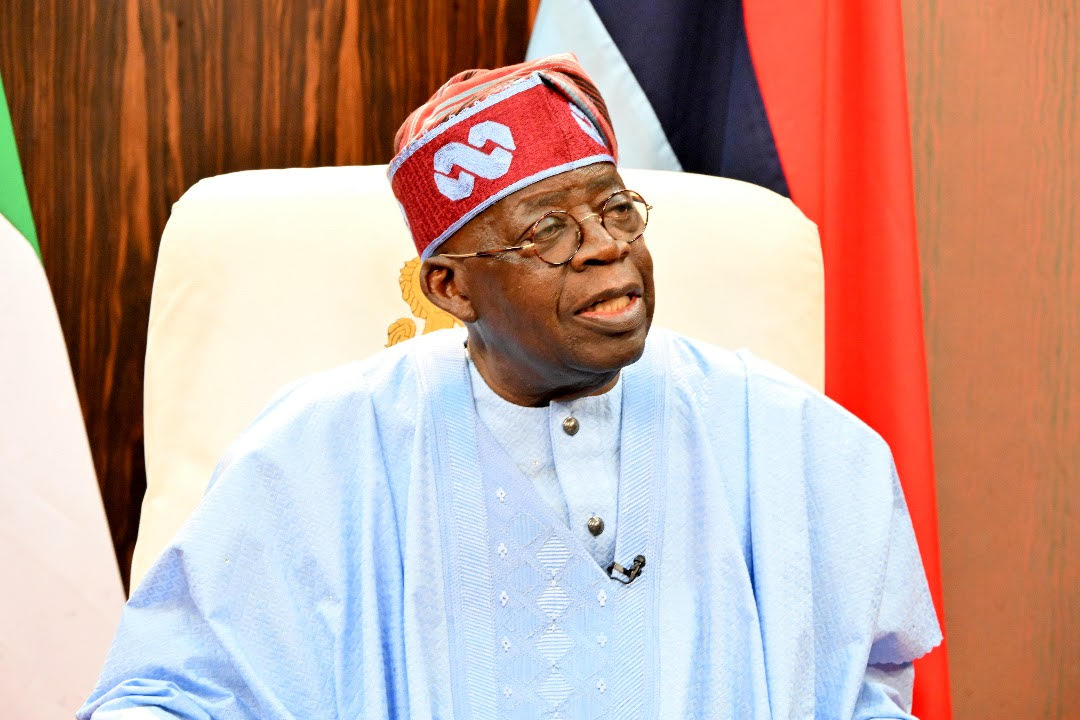

President Bola Tinubu has asked the National Assembly to authorise a combined $2.8 billion in new borrowing, including $2.3 billion in international loans and Nigeria’s first-ever $500 million sovereign sukuk to be issued on global markets. In a letter addressed to lawmakers on Tuesday, the president explained that the proposed borrowings would help part-finance the 2025 budget deficit and refinance Eurobonds maturing in November. The financing mix, he said, could involve Eurobond issuances, syndicated loans, bridge financing, or direct credit arrangements with international banks, depending on prevailing market conditions.
The proposal marks a significant step in Nigeria’s evolving debt strategy, reflecting the administration’s growing preference for non-traditional and asset-backed borrowing instruments. Finance Minister Wale Edun, speaking at the Nigerian Economic Summit in Abuja, said the government is increasingly turning to cheaper and more sustainable options, including green bonds, sukuk, and diaspora bonds, rather than relying solely on Eurobond markets, which have become more expensive amid global interest rate hikes.
Nigeria’s Debt Management Office (DMO) had previously indicated plans to raise $2.3 billion through international bonds before the end of the year, subject to market conditions. Tinubu’s letter to parliament effectively formalises that plan, while adding the sukuk component — a move analysts interpret as an effort to diversify Nigeria’s funding base and attract investors from Islamic finance hubs in the Middle East and Asia.
If approved, the $500 million sovereign sukuk would represent Nigeria’s first foray into the international Islamic finance market, following the success of its domestic sukuk programme, which has raised over ₦1 trillion since its inception in 2017. The domestic sukuk has been used primarily to fund road infrastructure, offering ethical, asset-backed investment opportunities consistent with Islamic finance principles.
Tinubu noted that the planned international sukuk could be issued with or without credit enhancements from the Islamic Corporation for the Insurance of Investment and Export Credit (ICIEC), an arrangement that could lower borrowing costs and improve investor confidence. Economic observers say the dual borrowing strategy underscores the government’s balancing act between managing fiscal pressures and maintaining debt sustainability. Nigeria’s public debt stood at roughly ₦121 trillion (about $84 billion) as of mid-2025, according to the DMO, with external debt accounting for nearly 40 per cent.
While the sukuk issuance signals an innovative shift toward ethical financing, the broader borrowing plan has drawn scrutiny amid concerns about Nigeria’s rising debt-service obligations and currency vulnerabilities. However, officials argue that refinancing existing Eurobonds through lower-cost instruments could help reduce interest payments and ease pressure on the naira in the medium term. The National Assembly’s approval process will determine how quickly the Tinubu administration can move ahead with the planned issuances, a key component of its efforts to stabilise public finances, attract diversified investment, and restore investor confidence in Africa’s largest economy.


