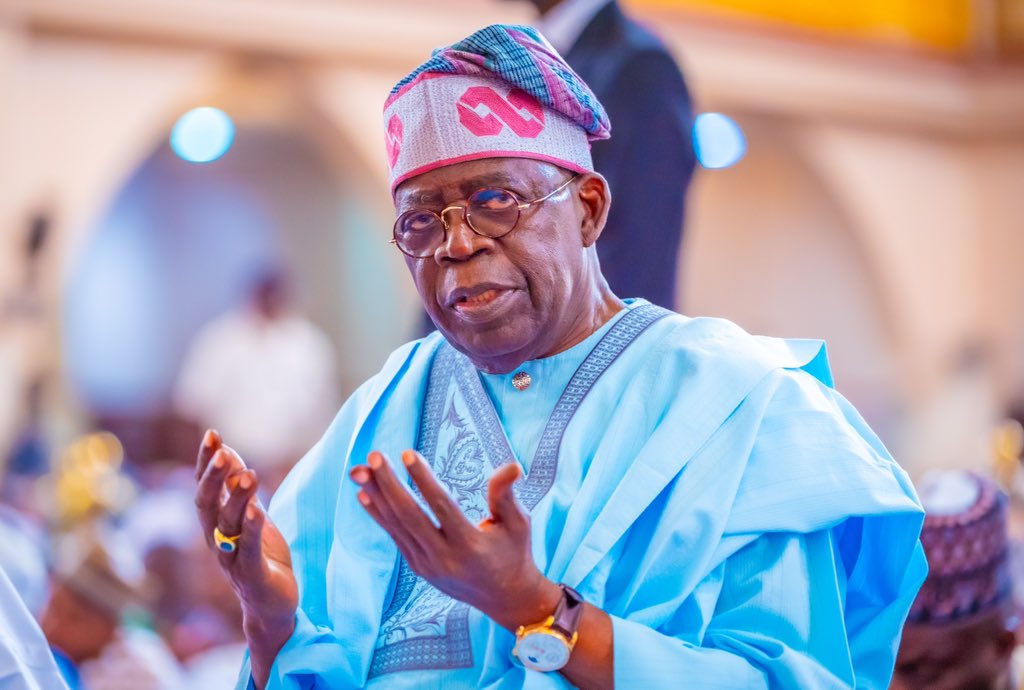

If President Bola Tinubu wins re-election in 2027, Nigerians should expect his government to continue its economic reforms, with the biggest test being whether the policies can deliver lower living costs, more jobs and improved living standards.
Tinubu launched his re-election campaign in Kaduna on October 24, 2026, promising to continue his administration’s economic agenda amid public frustration over high prices, insecurity and the cost of doing business.
A report by Reuters on October 21, 2026, quoted Finance Minister Taiwo Oyedele as saying that the government would rely more on private investment to drive economic growth rather than increase borrowing. He also ruled out a return to petrol subsidies, signalling that a second Tinubu administration would likely maintain one of its most controversial policies.
For ordinary Nigerians, the question is whether the reforms will begin to produce more visible benefits.
The first major issue would be petrol prices and the cost of living. The removal of the petrol subsidy in 2023 pushed up transport and distribution costs, contributing to higher prices for food and other essential goods. Although inflation has eased, many households and businesses continue to struggle with expensive goods and services.
A second term would give Tinubu more time to pursue his policies, but it would also increase pressure on his government to show that economic stabilisation can translate into improved purchasing power.
The naira and foreign exchange market would also remain important. Changes to the foreign exchange system have helped attract investor interest and improve confidence in Nigeria’s economy. However, a second-term victory would not automatically strengthen the naira, as its performance would continue to depend on foreign exchange supply, oil earnings, inflation and investor confidence.
Businesses would also be watching interest rates, access to credit and the cost of electricity. Lower inflation could create room for further monetary easing, depending on the Central Bank of Nigeria’s assessment of economic conditions. Cheaper credit and more predictable policies could support investment, but businesses would still need reliable infrastructure and stronger consumer demand to expand.
Government revenue and spending would be another major test. Higher oil earnings could improve public finances if production and exports remain strong. However, the government would still have to balance infrastructure investment with debt servicing, education, healthcare and social protection.
In a Reuters report published on October 8, 2026, the World Bank projected that Nigeria’s economy would grow by an average of 4.4 per cent annually through 2028 if reforms were sustained and service delivery improved. The lender also stressed the importance of investing in infrastructure and human capital to reduce poverty and improve living standards.
That outlook suggests that continued reforms could support growth, but the benefits would depend on how effectively the government implements its policies.
Tinubu’s second term would also be his final constitutionally permitted term, potentially shifting political attention towards the succession battle ahead of the 2031 election.
However, the most immediate concern for Nigerians would remain economic survival. A stronger economy would mean little to households if food, transport, rent and electricity remained unaffordable.
Ultimately, a second term would give Tinubu four more years to pursue his economic agenda. Whether Nigerians consider it successful would depend less on campaign promises and more on jobs created, prices stabilised, businesses expanded and living conditions improved.