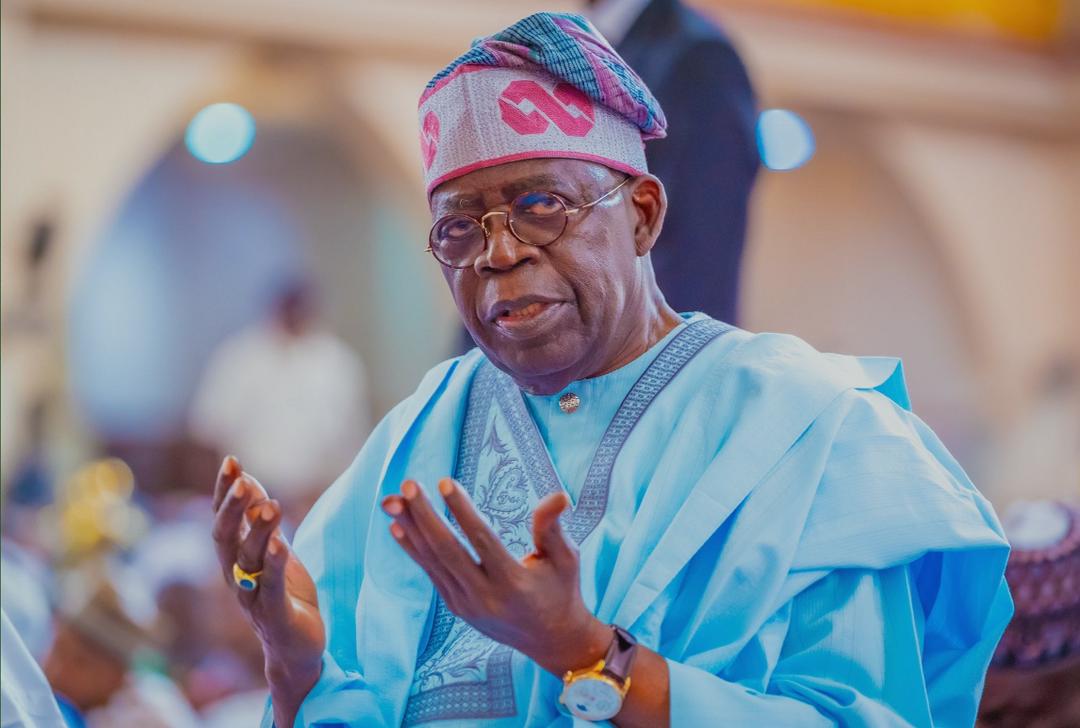

President Bola Ahmed Tinubu has expanded Nigeria’s Compressed Natural Gas policy to formally include electric vehicles, signaling a wider transition strategy in the country’s transport energy mix. The adjustment reflects a shift from a single fuel alternative to a more diversified approach that combines gas and electric mobility.
The original CNG initiative was introduced to cushion the economic impact of fuel subsidy removal by lowering transport costs and reducing dependence on petrol. It positioned gas as a cheaper and cleaner substitute, with government-backed incentives such as vehicle conversion kits and mass transit buses. Over time, the programme evolved into a broader energy transition framework.
With the latest move, the government is now integrating electric vehicles into the policy structure. This inclusion acknowledges the limitations of relying solely on gas, especially in regions where infrastructure gaps exist. It also aligns with global trends that favour low emission transport systems and long term sustainability targets.
Officials say the policy expansion is designed to improve mobility while addressing environmental concerns. Electric vehicles are expected to complement CNG powered systems, particularly in areas where gas distribution networks remain underdeveloped. This dual approach reflects what analysts describe as a pragmatic transition path rather than a rapid full shift.
Earlier directives had already laid the groundwork for this transition. The Federal Government mandated ministries, departments and agencies to procure only vehicles powered by “Compressed Natural Gas (CNG), solar or electric.” This directive signaled an early recognition of multiple energy pathways within public sector procurement.
In practice, the expansion builds on ongoing investments in both segments. Nigeria has attracted significant capital into CNG and electric vehicle infrastructure, with authorities estimating hundreds of millions of dollars in combined investments. These investments are expected to support vehicle adoption, charging systems, and conversion facilities.
Regional deployment strategies further illustrate the policy’s flexibility. In the North East, electric vehicles were prioritised after assessments showed they offered stronger operational advantages compared to CNG in that context. This suggests that implementation will vary across regions based on infrastructure and cost efficiency.
Despite the policy expansion, structural challenges remain. CNG adoption has faced constraints such as limited refuelling stations and high upfront conversion costs for private vehicle owners. Electric vehicles, on the other hand, depend heavily on stable electricity supply and charging infrastructure, both of which remain inconsistent across the country.
Even so, the government continues to scale the initiative. Plans to deploy large volumes of conversion kits and expand infrastructure indicate a commitment to gradual adoption rather than immediate transformation. The strategy appears focused on easing transport costs while building long term energy resilience.
Overall, the inclusion of electric vehicles marks a strategic recalibration. Rather than replacing CNG, the government is layering additional options into the system. This approach spreads risk, improves flexibility, and positions Nigeria for a phased transition toward cleaner and more affordable transport energy.