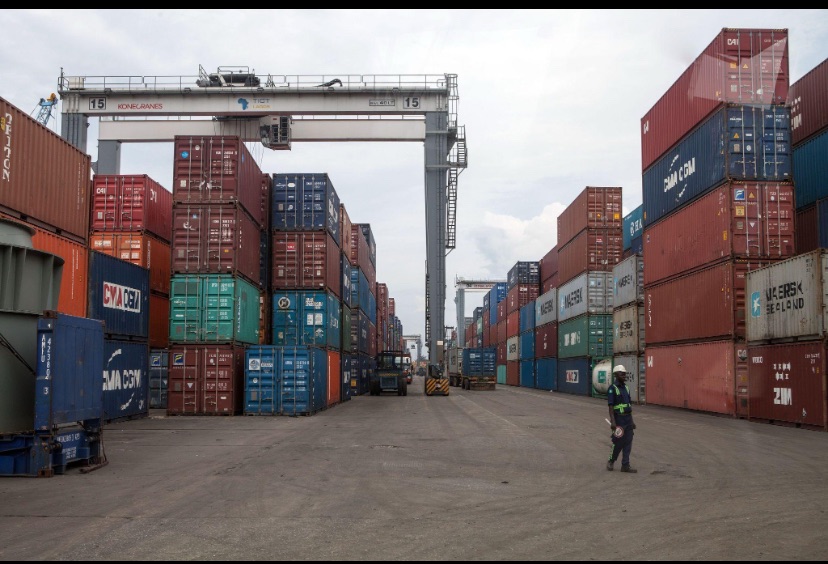

Nigeria’s maritime sector has received a major boost as the Tin Can Island Port and the Lagos Port Complex in Apapa were ranked among the world’s top 20 most improved container ports over the last five years.
The recognition came from the Container Port Performance Index (CPPI) 2025, a global report published by the World Bank in collaboration with S&P Global Market Intelligence. The report evaluates the efficiency of container ports worldwide by measuring factors such as vessel turnaround time, cargo handling speed, and overall operational performance.
According to the latest rankings, Tin Can Island Port secured the 10th position globally among ports that achieved the highest level of improvement between 2020 and 2025. Meanwhile, Lagos Port Complex in Apapa ranked 12th, highlighting significant progress in Nigeria’s port operations.
The CPPI is considered one of the most respected global benchmarks for assessing port performance. It focuses on how efficiently ships are serviced while in port and helps identify areas where ports have improved or still face operational challenges.
Data from the report showed that Tin Can Island Port recorded a remarkable 42-point improvement in its CPPI score. The port moved from a score of -68 in 2020 to -26 in 2025, making it one of the fastest-improving ports in the world during the review period.
Similarly, Lagos Port Complex achieved a 35-point increase, improving from -61 in 2020 to -26 in 2025. These gains reflect ongoing efforts to modernise infrastructure, improve cargo handling processes, and reduce delays in port operations.
The achievements place Nigeria ahead of several well-known international ports in terms of performance improvement. For example, France’s Marseille Port ranked 11th with a 39-point increase, while Türkiye’s Iskenderun Port placed 13th with a 34-point improvement. India’s Jawaharlal Nehru Port followed in 14th position with a 32-point gain.
Other ports on the list include Peru’s Paita Port, as well as China’s Keelung and Fuzhou ports, all of which recorded notable improvements during the five-year assessment period.
The positive ranking comes at a time when Nigeria is witnessing growth in international trade. Recent figures from the National Bureau of Statistics revealed that the country recorded a trade surplus of N7.54 trillion in the first quarter of 2026, indicating stronger export performance and increased economic activity.
Reacting to the report, the Managing Director of the Nigerian Ports Authority, Dr. Abubakar Dantsoho, attributed the progress to ongoing reforms and investments aimed at modernising the nation’s ports. He noted that the administration’s investor-friendly policies and infrastructure development efforts are helping to improve port efficiency and attract greater business activity.
Dantsoho also acknowledged the support of the Ministry of Marine and Blue Economy, stressing that continued investment in modern equipment and port infrastructure would further strengthen Nigeria’s position as a major trade hub in Africa.
The latest World Bank ranking signals growing confidence in Nigeria’s maritime sector and highlights the country’s efforts to build faster, more efficient ports capable of supporting economic growth and international trade.