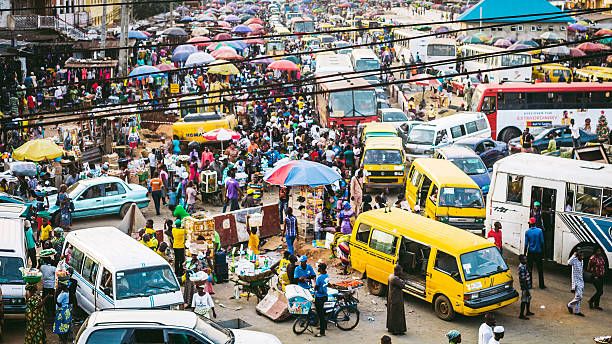

Three years after Nigeria removed petrol subsidy, the reform remains one of the most significant economic decisions of the Tinubu administration. It has changed government finances, altered the petroleum market and forced households and businesses to adjust to a new cost structure.
The policy, announced on May 29, 2023, was largely driven by the huge amount of public money spent keeping petrol prices artificially low. The World Bank estimated that subsidy payments cost Nigeria about N4 trillion in 2022 and could have exceeded N6 trillion in 2023.The government argued that the money could be better deployed to infrastructure, healthcare, education and other productive areas of the economy. Three years on, there are signs of progress on some of those economic objectives. Government revenues have improved, while the petroleum sector has undergone major changes. The emergence of the Dangote Refinery has also increased domestic refining capacity and strengthened expectations that Nigeria can reduce its dependence on imported refined petroleum products.
However, the transition has been costly for consumers.Petrol prices have risen sharply since the subsidy was removed, increasing transportation costs and adding to the operating expenses of businesses. The effect has spread across the economy as higher logistics and energy costs feed into the prices of food and other goods. For Adedipe Adeyeye, the change has altered how he manages his everyday spending.
“The removal of the fuel subsidy has made everyday life more expensive. I’ve had to cut back on non essential spending and manage my budget more carefully,” he said.
The pressure becomes more difficult when earnings fail to keep pace with rising prices. Although wages have increased in some sectors, inflation has continued to weaken the purchasing power of many workers.Adeyeye said his earnings have not provided enough room to absorb the increase in household expenses.
“My income hasn’t increased enough to match the rising cost of essentials, so I now prioritise only what I need most,” he said. Beyond consumption, the squeeze is also affecting the ability of households to build financial security. When a larger portion of monthly income goes towards necessities, savings are often among the first things to suffer. For Adeyeye, that has become a significant consequence of the current economic environment. “It has become harder to save money while still covering my basic daily needs,” he said.
The government has introduced measures intended to cushion the impact of the reform. These include cash transfers, compressed natural gas initiatives and other interventions aimed at reducing transportation and household pressures. However, the effectiveness of such measures depends largely on whether they produce sustained relief for the people they are designed to support. Adeyeye’s experience has been that the interventions have not yet made a meaningful difference.
“Some government measures have provided temporary relief, but I haven’t felt a significant improvement in my daily expenses,” he said. His assessment of the reform is therefore shaped by the difference between its economic justification and its effect on household welfare. While he accepts that subsidy removal may have been necessary to address the country’s fiscal challenges, he believes the burden has fallen heavily on ordinary Nigerians .“Nigerians are worse off, in my view, because basic expenses have risen faster than many people’s incomes,” he said.
That distinction is at the heart of Nigeria’s subsidy debate. The removal of the subsidy has addressed a major fiscal burden and encouraged changes in the petroleum industry. But economic reform is ultimately judged not only by government revenue, investment figures or changes in market structure. It is also judged by whether households can afford food, transportation, housing and other necessities without constantly cutting back.
For the government, the next phase must therefore go beyond defending the decision to remove the subsidy. The bigger task is to ensure that the resources saved and the wider economic gains generated by the reform translate into stronger public services, lower business costs, better infrastructure and improved household incomes. Until those gains become visible in the daily finances of Nigerians, three years of subsidy removal will continue to represent a difficult trade off: a policy that may have strengthened the economy on paper, while leaving many households still counting the cost.