
The global energy market has faced serious challenges over the past five months due to tensions in the Middle East and disruptions around the Strait of Hormuz, one of the world’s busiest oil shipping routes. The crisis caused major delays in the movement of crude oil and refined petroleum products, leading to fuel shortages and rising prices across many countries.
Africa was among the regions most affected because most countries on the continent depend heavily on imported petroleum products. As supply chains were disrupted, the cost of fuel increased sharply, while shortages forced motorists in countries such as Kenya and South Africa to spend hours in long queues. The rising cost of fuel also pushed up transportation expenses, resulting in higher food prices and increased living costs across Africa.
At the height of the crisis, global crude oil prices climbed to around $120 per barrel before gradually falling back to about $70 as tensions eased. Although the situation has improved, experts believe the crisis has exposed the dangers of relying on a single shipping route for global oil supplies.
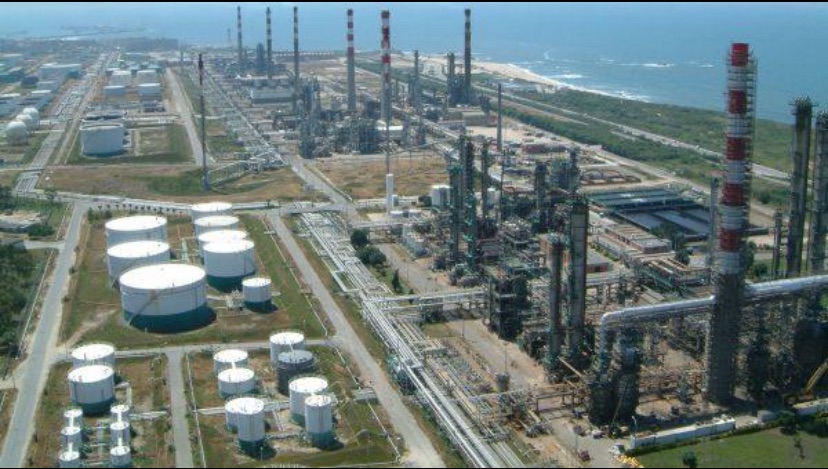
Nigeria, however, was able to avoid the worst fuel shortages because of its growing local refining capacity, particularly with the operation of the Dangote Refinery. Without local refining, petrol prices could have risen to nearly ₦3,000 per litre during the crisis. Even so, Nigerians still faced high fuel prices, with many paying over ₦1,200 per litre despite the country’s status as Africa’s largest oil producer.
Industry experts say Nigeria must increase crude oil production, encourage more private refineries, and ensure that locally produced crude supplies domestic refineries instead of depending heavily on imported feedstock. Greater competition in refining is also expected to reduce fuel prices and improve supply stability.
The crisis has also highlighted the growing importance of renewable energy. Around the world, demand for electric vehicles, solar energy systems, and compressed natural gas (CNG) increased as consumers searched for alternatives to expensive fuel. Analysts believe this trend will continue as countries work to reduce dependence on crude oil and protect themselves from future geopolitical disruptions.
Despite higher global oil prices boosting Nigeria’s government revenue, many citizens have not enjoyed the benefits. Energy experts argue that part of the additional income earned from crude exports should be used to cushion the impact of rising fuel costs on households through targeted government support and stronger market regulation.
Regulators have also been urged to closely monitor fuel marketers to prevent excessive profiteering, hoarding, and unfair pricing. Improved transparency throughout the petroleum supply chain is seen as essential for protecting consumers.
Looking ahead, the crisis presents an opportunity for Africa to become more self-sufficient in refining petroleum products. Several new refinery projects are expected to come on stream over the next decade, reducing the continent’s dependence on imported fuel and strengthening regional energy security.
Industry observers believe that with increased investment in refining, better infrastructure, stronger regulation, and expanded renewable energy adoption, Africa can transform its energy sector and become a major exporter of refined petroleum products while offering more stable fuel prices to consumers.