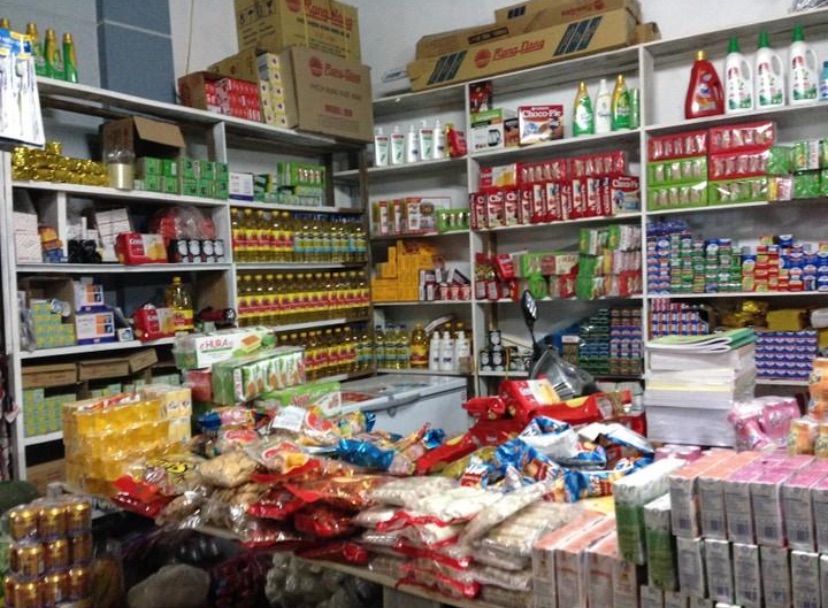

Walk into some neighborhood stores today and you might notice something missing — not a sign, not an announcement, just an empty space where a familiar product used to sit. Across several markets, retailers are quietly discontinuing items without the usual fanfare of clearance sales or farewell posts. No press release. No “last chance” banner. The product is simply… gone.
This growing pattern has caught the attention of consumers, distributors, and small business owners alike, many of whom are only realizing the change after searching shelves in vain.
Industry watchers say the shift isn’t random. Rising import costs, unpredictable supply chains, and shrinking profit margins are pushing retailers to trim inventory — but many are choosing silence over explanation, worried that publicly announcing a discontinued product could trigger panic-buying, negative reviews, or awkward questions about pricing and sourcing.
“It’s a business decision, but it’s also a quiet one,” said Mrs. Adeshola, who runs a provisions store in a busy Lagos market. “Sometimes you just have to remove something and hope your customers don’t ask too many questions. If you announce it, people start asking why, and before you know it, they think something is wrong with your shop.”
Mrs. Adeshola said she recently stopped restocking three popular household items after suppliers hiked prices twice within a month. “I couldn’t keep selling at a loss, but I also didn’t want to raise prices and scare my regular customers away. So I just stopped bringing it in. Nobody noticed for almost two weeks.”
Not every shopper is taking the silent disappearances lightly. Some say the lack of communication feels dishonest, even if the business reasoning makes sense.
“I don’t mind if a product is discontinued,” one customer said. “What bothers me is finding out on my own, after going back three times expecting to see it there.”
Retail analysts argue this trend reflects a broader tension in small and mid-sized businesses: the need to stay agile in a volatile economy versus the risk of appearing unstable to loyal customers. Removing a product quietly, they say, is often seen as the safer option — even if it isn’t the most transparent one.
According to Mrs. Adeshola, transparency isn’t always simple when margins are tight. “If I tell people the price of a product has gone up because of the dollar rate or bad roads delaying supply, some will understand — but others will accuse you of exploiting them. It’s easier to just adjust quietly and keep the business moving.”
This “quiet removal” approach appears to be spreading beyond food and provisions stores into pharmacies, boutiques, and even electronics dealers, many of whom are dealing with similar cost pressures.
For now, the trend shows no signs of slowing down. As inflation and supply chain unpredictability continue to squeeze small business owners, more shelves may quietly empty out — with customers left to notice the gaps on their own.
Whether this silent strategy builds trust or erodes it may depend on how businesses like Mrs. Adeshola’s balance survival with honesty in the months ahead.