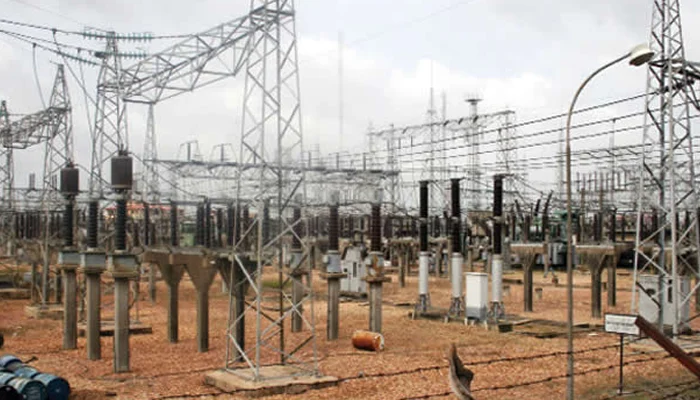

Nigeria’s perennial electricity crisis reached a new low in February 2026, as grid-connected power plants delivered an average of just 4,384 megawatts (MW) to the national system. According to the latest Operational Performance Factsheet from the Nigerian Electricity Regulatory Commission (NERC), this represents a meagre 32% Plant Availability Factor (PAF) against a theoretical installed capacity of 13,625 MW. For the Nigerian economy, this 68% “capacity gap” underscores a profound structural dysfunction that continues to serve as a primary bottleneck to industrialization and macroeconomic stability. The inability to translate massive capital investments into actual energy dispatch remains a significant deterrent to both domestic productivity and Foreign Direct Investment (FDI).
The data reveals a stark contrast between the potential of Nigeria’s energy infrastructure and its operational reality. While the installed base suggests a capacity to anchor a mid-sized industrial economy, the actual available generation of 4,102 megawatt-hours (MWh) per hour is barely sufficient to power a single major metropolitan hub like Lagos. This disparity is primarily driven by chronic gas supply shortages, ageing thermal assets, and a transmission network that struggles with instability. From a business journalism perspective, the high “load factor” of 93%—which measures how much of the available power was actually used—indicates that the demand from Distribution Companies (DisCos) remains robust. The failure, therefore, lies squarely in the upstream and midstream segments of the value chain, where technical and commercial hurdles prevent generation companies (GenCos) from firing their turbines at full capacity.
The fiscal implications of this energy deficit are staggering. In a bid to clear the liquidity constraints hampering the sector, the federal government recently approved a ₦4 trillion bond to settle debts owed to GenCos and gas suppliers. However, as the February figures demonstrate, financial injections have yet to yield a corresponding increase in “megawatts on the wire.” For the manufacturing sector, which loses an estimated billions of naira annually to self-generation costs, the persistent 32% availability rate acts as an “involuntary tax.” High operating expenses driven by diesel and gas-powered generators continue to erode the competitiveness of Nigerian-made goods, fueling inflationary pressures and reducing the nation’s export potential under the African Continental Free Trade Area (AfCFTA).
Furthermore, the concentration of generation among a few high-performing assets highlights the fragility of the national grid. The top ten power plants accounted for 82% of total energy produced in February, with hydroelectric stations like Kainji and Jebba performing at nearly 100% of their available capacity. In contrast, flagship thermal stations like Egbin and Delta managed only 37% and 42% availability, respectively. This over-reliance on a handful of assets means that a single technical failure or a dip in water levels can trigger a systemic collapse. For the digital economy—particularly the burgeoning data center market which requires 99.9% uptime—this level of grid unreliability necessitates massive redundant investments in captive power, further increasing the cost of digital transformation in Nigeria.
The medium-term outlook for the Nigerian Electricity Supply Industry (NESI) depends on the successful execution of the Presidential Power Initiative (PPI) and the transition to a more decentralized, state-led power market. While the government targets a transmission capacity of 10,000 MW by the end of 2026, the current 4,384 MW reality suggests a widening gulf between policy aspirations and technical execution. For the “Renewed Hope” agenda to achieve its goal of a $1 trillion economy, the power sector must move beyond the current “32% trap.” Strengthening the gas-to-power value chain and de-risking the transmission network are no longer just utility goals; they are fundamental requirements for national economic survival and industrial sovereignty.