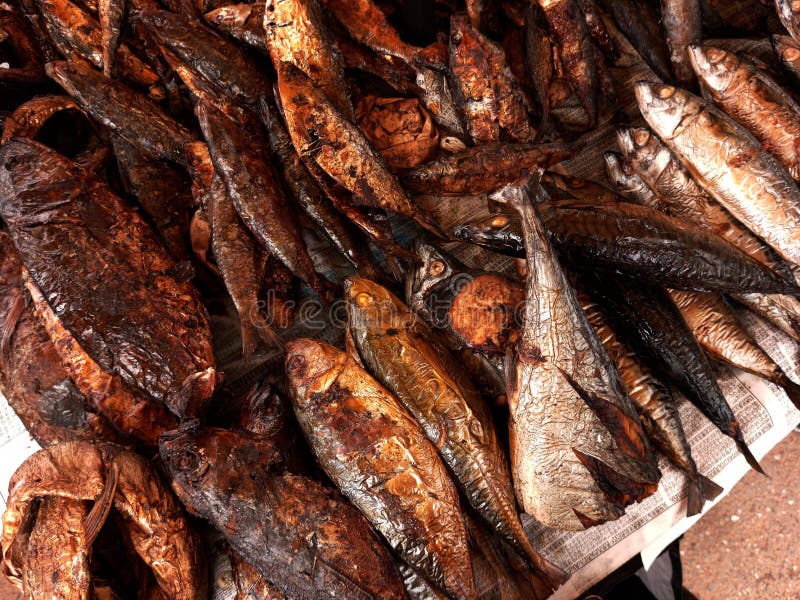

The global smoked fish market continues to strengthen its position within the seafood industry, supported by growing consumer demand for premium protein, healthier eating habits, and convenient ready-to-eat meals. As consumers increasingly seek foods that combine nutrition with ease of preparation, smoked fish has evolved from a traditional preservation product into a value-added offering with broad appeal across retail and foodservice markets.
A key driver of the sector’s growth is its ability to create greater value through processing, packaging, and branding. Rather than competing solely on the sale of raw fish, producers are increasingly differentiating their products through premium positioning, flavour innovation, packaging formats, and sustainability credentials. This shift allows companies to build stronger brand recognition, improve customer loyalty, and compete on quality instead of price alone.
Advances in food processing and cold-chain logistics have further strengthened the industry’s outlook. Modern smoking equipment, improved packaging technologies, and stricter quality control systems have enhanced product consistency, extended shelf life, and supported wider distribution across domestic and international markets. These improvements have also made smoked fish more suitable for modern retail formats and online grocery channels, where product quality and shelf stability are essential.
Consumer preferences are also changing. While smoked fish remains valued for its protein content and naturally occurring Omega-3 fatty acids, it is increasingly appreciated for its versatility in everyday meals. It is commonly used in salads, sandwiches, pasta dishes, grain bowls, and other quick meal options, making it attractive to consumers looking for nutritious foods that require little preparation.
Regional demand is becoming more diverse as interest in premium seafood products expands beyond traditional markets. Rising incomes, urbanization, and the growth of organized retail in many emerging economies are creating new opportunities for producers to reach a broader consumer base. At the same time, established markets continue to support demand through product innovation and premium offerings.
The industry, however, faces several challenges. Climate change and environmental pressures are affecting fish stocks and increasing uncertainty around seafood supply. Producers must also comply with evolving food safety, traceability, and sustainability standards, requiring continued investment in production systems and quality assurance. These factors can increase operating costs but are also becoming important differentiators in a competitive marketplace.
Looking ahead, many companies are focusing on sustainable sourcing, environmentally responsible packaging, digital sales channels, and stronger brand development to meet changing consumer expectations. These strategies reflect a broader shift within the seafood industry toward higher-value products that offer convenience, quality, and transparency.
For businesses and investors, the smoked fish market illustrates how value-added processing and brand differentiation can create opportunities for long-term growth. As demand for convenient, nutritious, and premium food products continues to evolve, smoked fish is well positioned to remain an important segment of the global seafood industry.