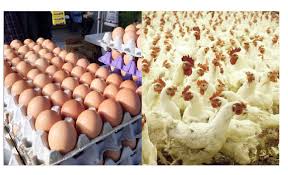

The Nigerian poultry industry is facing a severe crisis as a critical shortage of Day-Old-Chicks (DOCs) has triggered a spike in egg prices and a looming national scarcity. In separate interviews with the News Agency of Nigeria (NAN) on Sunday, March 29, 2026, poultry farmers, distributors, and consumers in Lagos warned that the sector is being crippled by supply chain bottlenecks and a lack of parental stock.
The structural and economic consequence of this shortage is evident in the rapid price inflation of eggs across various markets. At the farm gate, a crate of eggs that sold for N5,000 in January now costs N5,500. Retailers are currently selling crates for between N6,000 and N6,500, while high-end supermarkets and grocery stores have seen prices climb as high as N8,500 per crate.
Analytically, the impact on “Production Cycles and Hatchery Bottlenecks” appears to be the primary driver of the crisis. Mr. Mojeed Iyiola, Chairman of the Poultry Association of Nigeria (PAN), Lagos State Chapter, revealed that hatcheries across the country are fully booked until December 2026. Farmers attempting to restock are being met with a five-to-six-month waiting period for DOCs, the price of which has nearly doubled from N1,800 last year to N3,300 today. This delay is particularly devastating because once a farmer eventually receives the chicks, it takes an additional seven to eight months of rearing before the birds reach peak egg production.
The impact on “Regulatory Constraints and Importation Policy” was highlighted as a major administrative hurdle. According to PAN, the scarcity stems from the government’s decision to limit licenses for the importation of “parent stock” the birds required by hatcheries to produce DOCs. The association is currently lobbying the Federal Government to grant PAN an emergency license to import DOCs directly to cushion the current deficit and prevent a total collapse of the egg supply chain.
The impact on “Logistics and Consumer Accessibility” further complicates the situation. Mrs. Olaide Graham, National President of the Eggs Sellers and Distributors Association of Nigeria, noted that recent fuel price hikes have significantly increased transportation costs, which are being passed down to the consumer. For many Nigerians, eggs represent the last affordable source of animal protein. Consumers in areas like Gbagada and Alimosho expressed deep concern that even small, “quail-sized” eggs are becoming a luxury, leaving parents with few nutritional alternatives for their children’s diets.
Furthermore, the industry is struggling with the “law of diminishing returns,” as aging layers must be culled and replaced to maintain productivity. Without a steady supply of DOCs to replace these older birds, the volume of eggs in circulation will continue to dwindle. Stakeholders are calling on the Federal Ministry of Agriculture to intervene urgently by expanding importation licenses and supporting local hatcheries to ramp up production capacity.
The long-term outlook for the poultry sector depends on how quickly the government responds to the request for parental stock importation. If the current six-month backlog at hatcheries persists, egg prices could remain volatile well into 2027. For the average Nigerian household, the resolution of this “chick crisis” is essential to keeping basic nutrition within financial reach.