
Inflation is one of the biggest challenges any economy can face. When inflation rises too quickly, the prices of everyday goods and services such as food, fuel, transportation, and housing increase, making life more expensive for consumers. To prevent this from getting out of control, central banks play a critical role in keeping inflation at manageable levels.
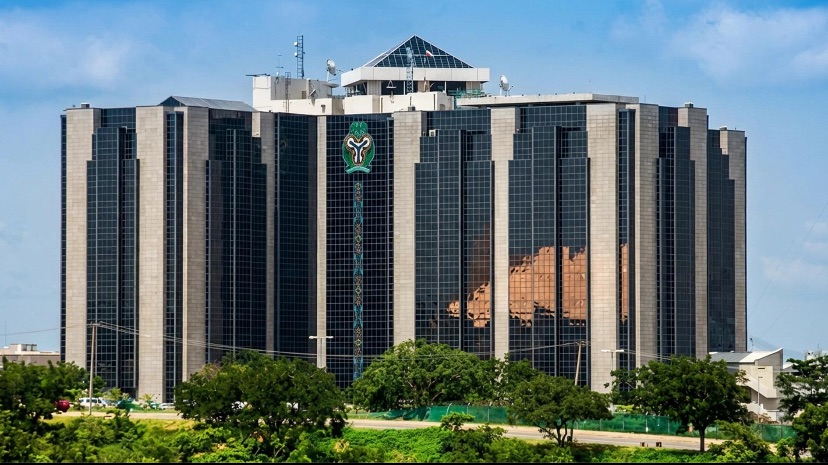
A central bank is the institution responsible for managing a country’s monetary policy. In Nigeria, this role is handled by the Central Bank of Nigeria (CBN), while other countries have institutions such as the U.S. Federal Reserve and the Bank of England. One of their main responsibilities is maintaining price stability so that inflation remains within a healthy range.
One of the most powerful tools central banks use is adjusting interest rates. When inflation becomes too high, the central bank may increase its benchmark interest rate. Higher interest rates make borrowing more expensive for individuals and businesses. As loans become costlier, people tend to spend less, while businesses may delay expansion plans. This slowdown in spending reduces demand for goods and services, helping to ease upward pressure on prices.
On the other hand, when inflation is low and economic activity slows, central banks may lower interest rates. Cheaper borrowing encourages consumers to spend more and businesses to invest, boosting economic growth. The challenge is finding the right balance between controlling inflation and supporting economic activity.
Another important tool is controlling the money supply. If too much money is circulating in the economy, demand can rise faster than the supply of goods and services, pushing prices higher. Central banks can reduce the amount of money in circulation through various monetary policy measures, helping to stabilize inflation over time.
Central banks also influence inflation through reserve requirements. Commercial banks are required to keep a certain percentage of customer deposits with the central bank. Increasing this requirement limits the amount banks can lend, reducing money flowing into the economy. Lower reserve requirements have the opposite effect by allowing banks to extend more loans.
Communication is another powerful strategy. Investors, businesses, and consumers pay close attention to statements from central bank officials. Clear guidance about future monetary policy can shape expectations and influence financial markets even before policy changes take effect. Stable expectations often help prevent sudden spikes in inflation.
However, controlling inflation is not always easy. Rising global oil prices, supply chain disruptions, natural disasters, currency depreciation, and geopolitical conflicts can all drive inflation beyond the direct control of central banks. In such situations, governments may also introduce fiscal measures, such as reducing taxes or supporting local production, to complement monetary policy.
For businesses, stable inflation creates a more predictable environment for planning investments, setting prices, and managing costs. Consumers also benefit because their purchasing power remains stronger when prices increase at a moderate pace rather than rising sharply.
Although inflation cannot be eliminated completely, central banks aim to keep it at levels that support sustainable economic growth. Through interest rate decisions, money supply management, banking regulations, and effective communication, they work to protect the economy from excessive price increases while promoting long-term financial stability. Understanding these strategies helps businesses and individuals make better financial decisions in an ever-changing economic environment.