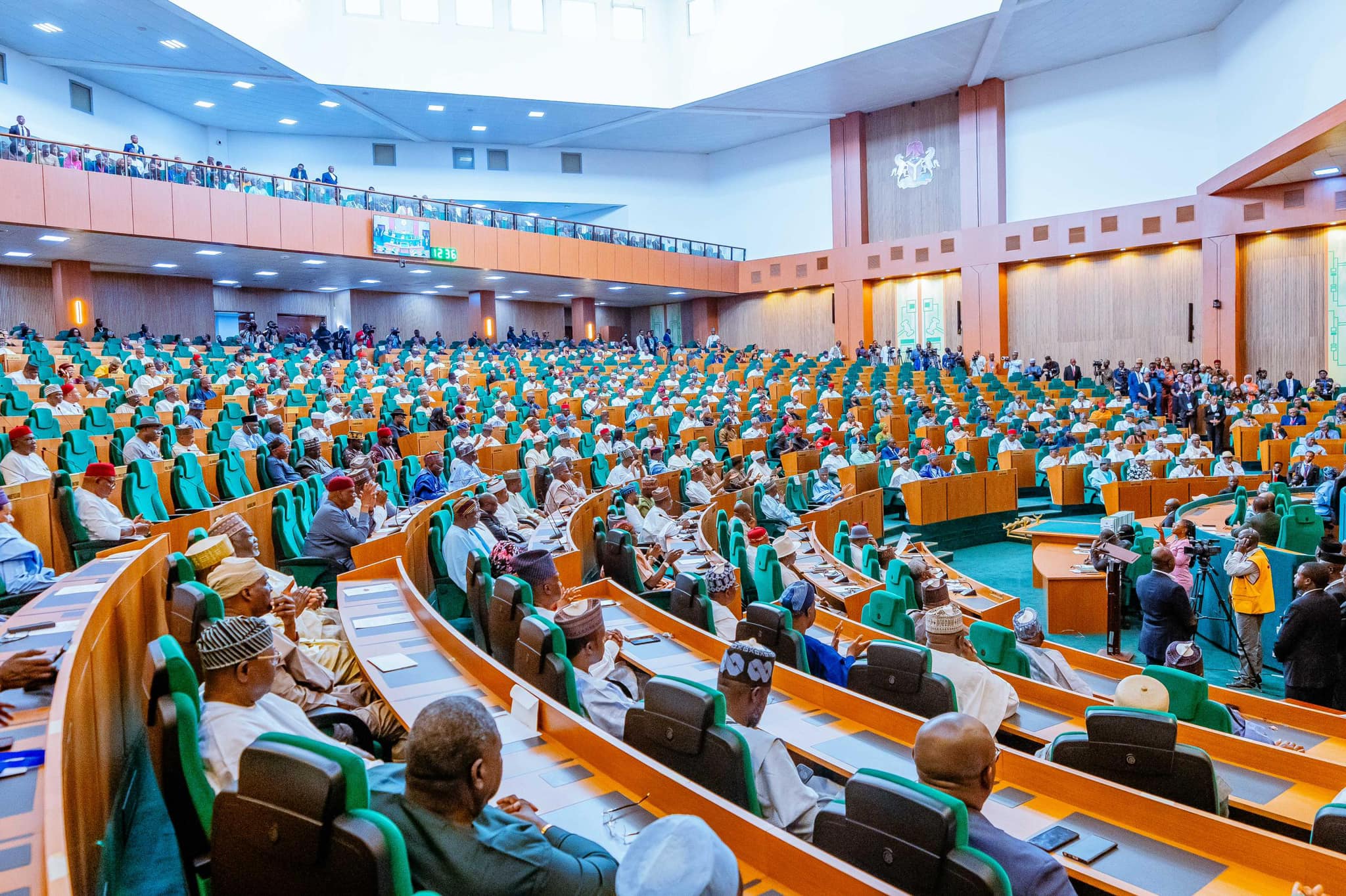

Nigeria’s federal lawmakers have recovered ₦521 million in Value Added Tax (VAT) from the Central Bank of Nigeria following a legislative probe into unpaid tax liabilities, underscoring renewed scrutiny of government agencies’ compliance with fiscal regulations.
The recovery, confirmed by the Nigerian House of Representatives, forms part of a broader effort to enforce tax discipline across ministries, departments, and agencies (MDAs), many of which have historically faced criticism for weak remittance practices despite operating within the federal financial ecosystem.
VAT, a consumption-based tax levied on goods and services, remains one of the Nigerian government’s most important non-oil revenue sources. However, enforcement challenges and exemptions applied to public institutions have often led to revenue leakages and disputes over applicability.
Lawmakers involved in the investigation said the recovered sum represents unpaid obligations identified during a review of financial records and internal transactions linked to the central bank’s operations. While details of the specific periods under review were not fully disclosed, legislators framed the outcome as a “corrective milestone” in tightening public sector accountability.
The development comes at a time when Nigeria is intensifying efforts to widen its tax base amid fiscal pressures driven by rising debt service costs, subsidy reforms, and foreign exchange volatility. Analysts say such recoveries, though relatively small in macroeconomic terms, signal improved oversight mechanisms and a stronger assertion of legislative authority over public finance compliance.
Fiscal governance experts note that consistent enforcement of VAT obligations across all entities including government institutions, could help reduce revenue shortfalls and improve budget execution efficiency. However, they also caution that systemic reform, rather than isolated recoveries, is required to meaningfully boost non-oil revenue performance.
The central bank has not issued a detailed public response to the recovery at the time of reporting.
Observers say the episode may further reinforce ongoing debates about the scope of tax exemptions for state institutions and the need for clearer statutory guidance to avoid recurring disputes between revenue authorities and public agencies.