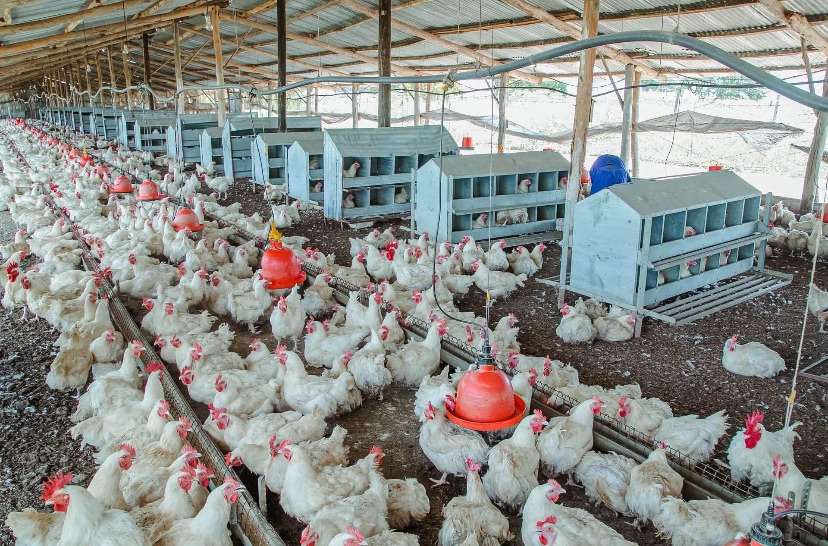

Poultry farming, once considered one of Nigeria’s more accessible agricultural businesses, is becoming increasingly expensive as farmers struggle with rising feed prices, medication costs, transportation expenses and other operating challenges.
The rising cost of production is putting pressure on poultry farmers, particularly small and medium-sized operators who have limited capital to absorb sudden increases in expenses.
Feed remains one of the biggest costs in poultry production. Chickens require regular feeding throughout their growth cycle, meaning even a small increase in the price of maize, soybean meal and other feed ingredients can significantly affect the total cost of raising birds.
For farmers, the challenge does not end with feeding the birds. Vaccines, antibiotics, electricity, water, labour, transportation and equipment maintenance have also become important expenses. Farmers who depend on generators face additional pressure from high fuel and maintenance costs.
The situation is forcing many poultry farmers to rethink how they operate. Some are reducing the number of birds they keep, while others are increasing selling prices to protect their profit margins.
However, increasing prices comes with its own challenge. Consumers are also dealing with higher living costs and may reduce their purchases when chicken and eggs become more expensive.
Egg production has been particularly sensitive to rising costs because farmers must continuously spend on feed and other inputs before receiving returns from egg sales. When production costs rise faster than selling prices, farmers can see their margins shrink considerably.
The poultry sector also faces the challenge of access to affordable financing. Many small farmers need loans to purchase feed, expand their farms, acquire equipment and increase production. However, high borrowing costs can make expansion difficult.
Despite these challenges, poultry farming remains an important part of Nigeria’s agricultural economy. The sector provides food, employment and income for thousands of farmers, traders, processors and other businesses connected to the poultry value chain.
Industry participants believe that improving local production of poultry feed ingredients could help reduce some of the pressure on farmers. Better access to affordable financing, improved electricity supply and stronger agricultural support systems could also make production more sustainable.
For aspiring poultry farmers, the rising cost of production means proper planning is now more important than ever. Farmers need to understand their costs, monitor feed consumption, reduce unnecessary waste and have a clear market for their products before expanding their operations.
As production expenses continue to rise, the future of poultry farming in Nigeria will increasingly depend on efficiency, access to finance and the ability of farmers to manage costs without pricing themselves out of the market.