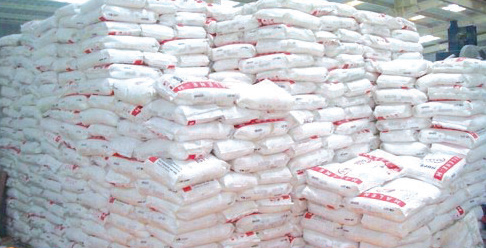

The Fertiliser Producers and Suppliers Association of Nigeria (PFI) has attributed the steady availability of fertiliser products across the country to proactive procurement strategies adopted ahead of the peak farming season, underscoring the importance of early planning in safeguarding agricultural productivity.
According to the association, timely procurement of raw materials and coordinated supply chain management have helped prevent shortages that often disrupt planting cycles and place pressure on food production. The move comes at a critical time as Nigeria seeks to strengthen food security, improve crop yields, and mitigate inflationary pressures linked to agricultural supply constraints.
PFI noted that early procurement allowed manufacturers and distributors to secure essential inputs before global market fluctuations, logistics bottlenecks, and currency volatility could significantly affect availability. The strategy also enabled producers to maintain a more predictable supply pipeline, ensuring fertiliser reached farmers in key agricultural regions without major disruptions.
Industry stakeholders say the development reflects growing maturity within Nigeria’s fertiliser value chain. In recent years, the sector has faced challenges ranging from foreign exchange shortages and rising transportation costs to global commodity price swings. These pressures have occasionally translated into delayed deliveries and higher input costs for farmers.
By securing supplies ahead of demand peaks, fertiliser companies were able to reduce exposure to these risks while improving inventory management. Analysts argue that such measures are becoming increasingly important as climate variability and geopolitical tensions continue to influence global agricultural input markets.
The stability in fertiliser supply is expected to support farmers during the current cultivation cycle, helping them access critical nutrients needed to boost crop performance. Improved access to fertiliser remains a key component of efforts to raise agricultural output, enhance rural incomes, and reduce dependence on food imports.
Market observers also note that reliable fertiliser distribution can have broader economic implications. Agriculture remains one of Nigeria’s largest employers and a major contributor to gross domestic product. Stable input availability can support higher yields, strengthen food supply chains, and help moderate food price inflation, a persistent concern for households and policymakers.
Looking ahead, industry leaders are calling for continued collaboration among manufacturers, distributors, financial institutions, and government agencies to sustain supply stability. Investments in logistics infrastructure, local production capacity, and efficient distribution networks are expected to play a crucial role in ensuring that fertiliser remains accessible and affordable for farmers nationwide.
As Nigeria intensifies efforts to modernize its agricultural sector, the experience highlighted by PFI demonstrates how forward planning and strategic procurement can strengthen resilience across the food production ecosystem and support long-term agricultural growth.