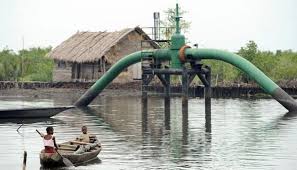

The Movement for the Survival of the Ogoni People (MOSOP) has issued a formal directive stating that any future hydrocarbon activities in the Niger Delta must comply with international wetland protection protocols. This demand follows the official designation of Ogoniland’s wetlands as a Ramsar Site of International Importance. MOSOP President, Mr. Olu Andah Wai-Ogosu, announced on Tuesday that this recognition by the Ramsar Convention on Wetlands Secretariat fundamentally reclassifies the territory from a primary oil-producing zone to a globally recognized ecological asset. This status introduces a framework of international oversight that the Federal Government and multinational oil firms are now obligated to observe before the resumption of extraction activities.
The Ramsar designation marks a pivot in the decades-long campaign for environmental justice in the region. By integrating Ogoniland into a global network of protected wetlands, the ecological integrity of the area becomes a mandatory priority under international law. Consequently, any proposed oil and gas projects must undergo environmental scrutiny that aligns specifically with the conservation standards of the Ramsar Convention. Wai-Ogosu noted that the area’s ecosystems require comprehensive restoration and sustainable management following years of degradation, suggesting that the new international benchmarks will dictate the parameters of government policy and corporate behavior in the Niger Delta moving forward.
From a macroeconomic perspective, this designation presents a complex challenge for the Federal Government’s strategy to increase national crude oil production. While reopening Ogoniland’s oil fields could bolster Nigeria’s daily output and enhance foreign exchange inflows, the Ramsar status introduces a “green premium” to operational expenditures. Under these new requirements, oil majors and indigenous contractors must implement advanced drilling technologies and provide extensive remediation bonds to ensure full compliance with wetland protection protocols. While these measures increase the initial cost of doing business, they offer a path toward a “blue economy” model that prioritizes the long-term economic value of the ecosystem over immediate hydrocarbon revenue.
The institutional efforts of the Hydrocarbon Pollution Remediation Project (HYPREP), led by Nenibarini Zabbey, have been cited as a primary factor in achieving this international recognition. The success of ongoing remediation projects suggests that environmental restoration is increasingly becoming a prerequisite for economic planning in the region. However, MOSOP has maintained a firm stance that activities capable of further degrading the wetlands will not be permitted. For the Nigerian economy, this implies that future investment in the region will be contingent upon high-level environmental stewardship, shifting the operational landscape toward more sustainable industrial practices.
The social and livelihoods implications for Ogoni communities are substantial. For years, unregulated oil exploitation negatively impacted traditional occupations such as fishing and farming. The Ramsar designation provides a structured framework to protect these local industries from future environmental shocks. By preserving the ecological character of the wetlands, the government can support regional food security and community health. Furthermore, the international status of the site may open avenues for global conservation funding and eco-tourism, offering a diversified economic alternative for a region that has historically faced high levels of oil-dependency.
Regulatory challenges remain a significant hurdle to the resumption of oil production. MOSOP has urged the Federal Government to ensure that no fiscal or economic activity compromises the ecological character of the designated wetlands. This necessitates a shift in national policy to value natural capital alongside mineral resources. Failure to enforce these international obligations could lead to global diplomatic friction and potential legal challenges in international courts. Such instability could deter the high-quality foreign direct investment (FDI) that Nigeria currently seeks to attract for its broader energy transition and infrastructure goals.
The future of Ogoniland now depends on the strategic balance between resource extraction and environmental preservation. The Ramsar designation has effectively raised the requirements for corporate social responsibility and environmental compliance in Nigeria’s oil and gas sector. As MOSOP utilizes national and international mechanisms to enforce these new obligations, the industry must adapt its operational models to meet higher global standards. The management of these wetlands will serve as a definitive test of Nigeria’s commitment to international environmental treaties and could serve as a model for sustainable development across other oil-bearing regions in Africa.