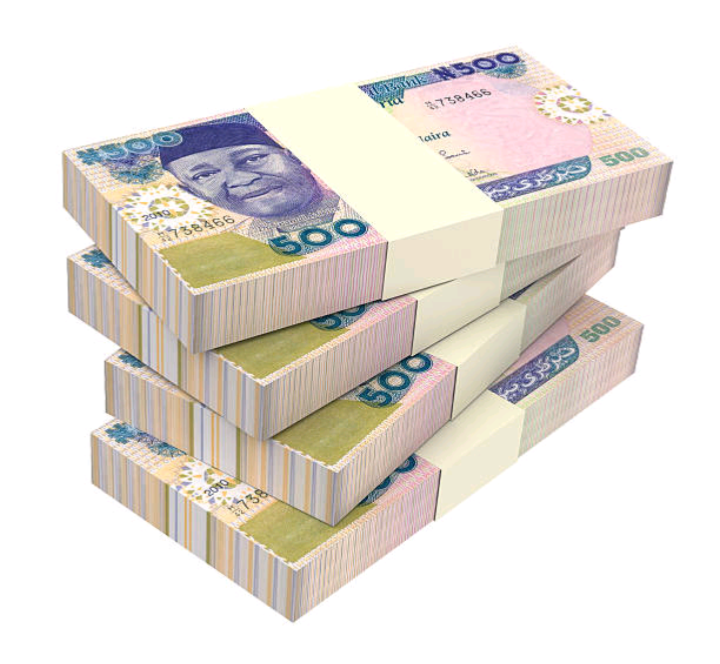

The Nigerian naira experienced a mixed performance in mid-week trading on January 22, 2026, with a noticeable difference between the official foreign exchange rate and the parallel market rate. At the end of the trading session, the naira stood at N1,423 to the US dollar in the official market, while the parallel (unofficial) market quoted the dollar as high as N1,486. This rate gap underscores persistent structural challenges and ongoing pressures on Nigeria’s currency system.
The Central Bank of Nigeria (CBN) reported that although the official rate showed a degree of stability, conditions in the parallel market revealed continued weakness in demand and supply dynamics. Traders and analysts say this reflects sustained demand for foreign exchange that the regulated market cannot fully meet.
At the official window, the naira’s slight depreciation was gradual but notable. On Monday, it was around N1,420.5/$, then strengthened slightly the next day before dropping back to N1,423/$ on Wednesday. Meanwhile, in the parallel market, traders started the week with rates near N1,483/$, and by mid-week the local currency had fallen to about N1,486/$. This means there was a difference of about N63 between the official and unofficial rates, down from N73 in the previous week but still substantial.
This divergence between the two markets is not new. Over recent months, authorities have sought to narrow the gap by improving liquidity, extending weekly forex sales, and boosting dollar availability. However, pressures remain, especially in the parallel market, where demand from importers, small businesses, and individuals often outstrips official supply.
The reasons for these dual exchange rates are rooted in how Nigeria’s foreign exchange system evolved. Historically, a scarcity of dollars in official channels has pushed many to the parallel market, where rates are determined by supply and demand rather than by regulators. In earlier periods, this gap widened dramatically; at times the parallel rate was hundreds of naira higher than the official rate.
Analysts point out that narrowing these gaps is essential because a large spread can hurt business confidence. When the parallel market rate is far weaker than the official rate, it fuels inflationary pressures. Importers, for example, may end up paying more for goods priced in dollars, pushing up costs for consumers. The uncertainty also affects investment decisions, especially for multinational firms and exporters.
The CBN has been proactive in circulating more dollars to licensed dealers and Bureau de Change operators, hoping to make foreign exchange more accessible in the official market. But as the parallel market continues to attract heavy trading, the effectiveness of these interventions is tested again and again.
Interestingly, the trend in 2025 also reflected similar complexities. At one point, the naira recorded its first annual gain against the dollar in more than a decade, ending the year stronger than where it started, an outcome attributed to forex reforms and increased liquidity. Yet at the same time, the parallel market has remained volatile in several periods, often weakening further than the official rate.
What this means for Nigeria’s broader economy is significant. A weaker naira in the parallel market tends to raise the cost of imported goods and inputs, which can ripple through prices across the economy. This, in turn, can push inflation higher and strain household budgets, especially in sectors that rely heavily on imported raw materials.
A related and more recent development (early January 2026) highlighted that Nigeria’s economy is entering a consolidation phase after years of reforms. According to the Finance Minister, inflation has fallen sharply from previous highs, economic growth is rebounding, and foreign reserves have strengthened. These macroeconomic improvements are part of broader efforts to stabilize the naira and reduce volatility in the foreign exchange market.
In summary, while the official FX market shows signs of relative stability, the parallel market reveals ongoing pressures, and the gap between the two rates continues to be a barometer of deeper economic forces at play.