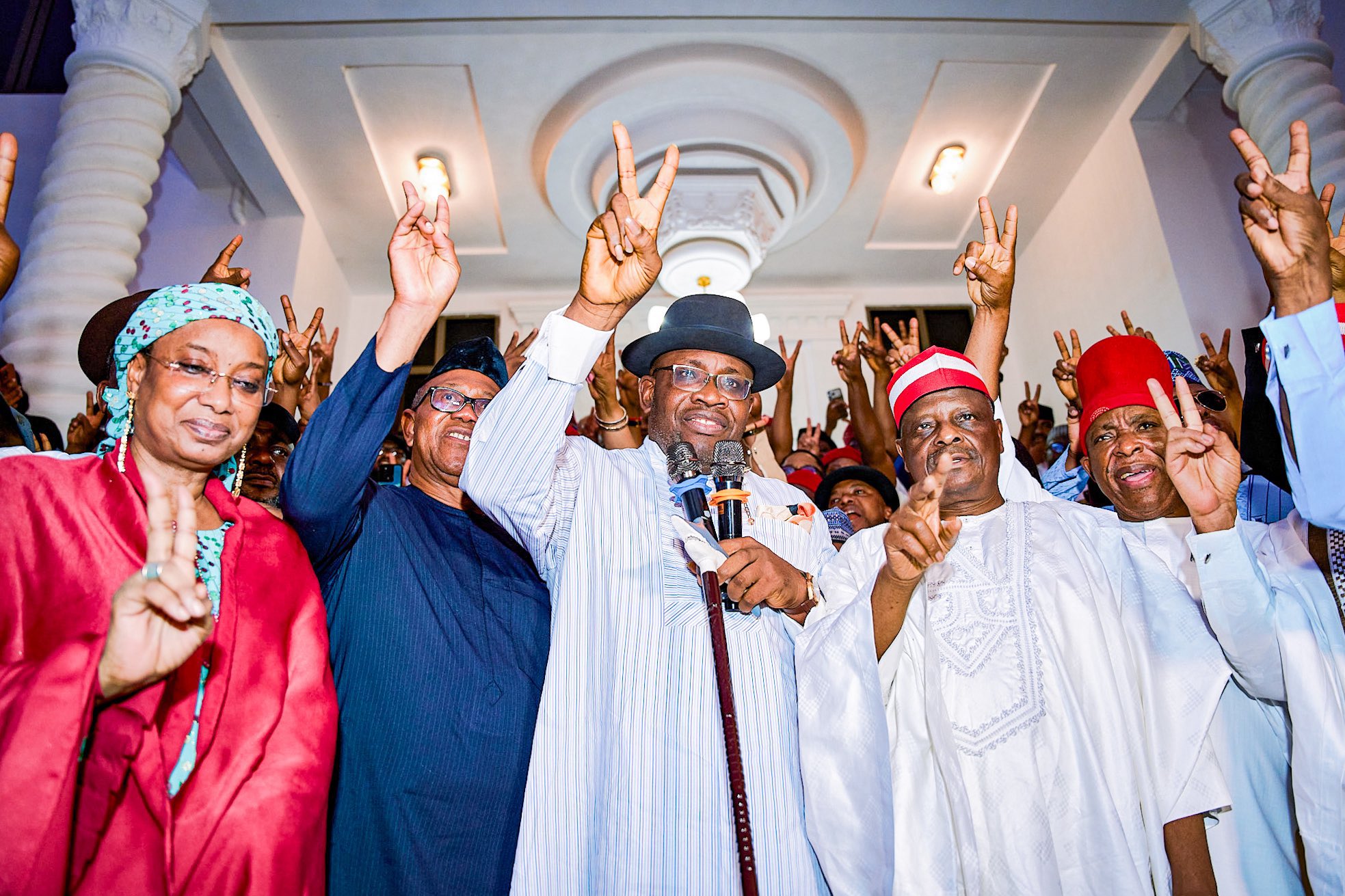

Peter Obi, former Anambra State governor and Labour Party presidential candidate in 2023, has resigned from the African Democratic Congress (ADC), citing a “toxic” political climate and deepening internal instability. In a statement on Sunday, Obi said his decision followed careful reflection, noting that challenges within the party reflect broader systemic issues in Nigeria’s politics. He stressed that his exit was not due to personal conflicts with party leaders such as David Mark or Atiku Abubakar, whom he said he still respects.
Obi blamed persistent political interference, legal disputes, and internal divisions for his departure, drawing parallels with the crisis that led him to leave the Labour Party. He also highlighted the personal strain of political engagement, including criticism and lack of support. Meanwhile, Rabiu Kwankwaso confirmed ongoing consultations about his political future amid similar concerns over leadership disputes within the ADC. Obi is yet to announce his next move, though sources suggest a possible shift to another platform.
From a political economy perspective, Obi’s departure from the ADC underscores the fragility of opposition coalition-building ahead of the 2027 elections. The ADC has been embroiled in leadership crises, with the Supreme Court yet to resolve disputes between factions loyal to David Mark and others. Obi’s exit removes a high-profile figure from the party, potentially reducing its relevance in the opposition landscape. The move also highlights the difficulty of sustaining multi-party coalitions in Nigeria, where personal ambitions, legal battles, and institutional weaknesses frequently undermine collective action.
Obi’s next political move will be closely watched. If he returns to the Labour Party or joins another platform, he could consolidate opposition support. However, his statement suggests disillusionment with the entire political system, raising questions about his future engagement. The 2027 election cycle is already taking shape, and Obi’s ability to mobilise young voters and disaffected Nigerians remains significant. But repeated party switching risks eroding the credibility of any candidate, no matter how strong their personal brand.