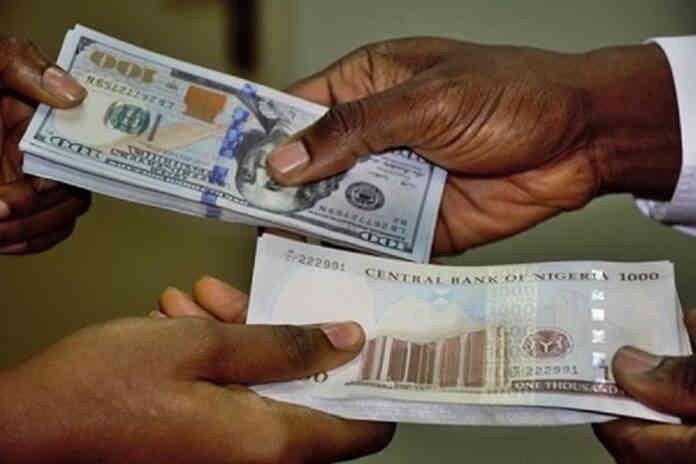

The Nigerian naira recorded a modest but important gain against the United States dollar in April 2026, signaling a period of improving stability in the country’s foreign exchange market. By the end of the month, the currency strengthened to N1,374 per dollar, compared to its March closing rate of N1,387 per dollar.
This marks the first time since 2024 that the naira has ended the month of April on a stronger note, breaking a pattern of yearly declines. The improvement suggests that confidence may be gradually returning to Nigeria’s monetary system.
Throughout April, the naira showed a more stable performance compared to the previous month. Exchange rate movements were less volatile, and trading stayed within a narrower range. The currency fluctuated between N1,340 and N1,389 during the month, reflecting better control of market pressures and improved availability of foreign exchange.
When compared to the same period last year, the naira’s performance is even more notable. On April 30, 2025, the currency stood at N1,602 per dollar. This means the naira has strengthened significantly on a year-on-year basis, gaining N228 over that period.
The improved performance in April follows a more turbulent March, when the naira faced strong pressure and briefly weakened to N1,425 per dollar before recovering slightly. In contrast, April started at N1,376 per dollar and, after a slight dip, gradually appreciated over the weeks. The strongest level recorded during the month was N1,341 per dollar on April 16.
Several factors contributed to this positive trend. Increased inflows of foreign exchange played a major role, including higher diaspora remittances and revenue from oil exports. At the same time, demand for dollars from speculative traders reduced, helping to stabilize the market.
Efforts by the Central Bank of Nigeria (CBN) also supported the naira. The bank maintained tight monetary policies and worked to improve liquidity in the foreign exchange market. These actions helped reduce sudden swings in the exchange rate and improved overall market confidence.
However, some challenges remain. Reports indicate that Nigeria’s external reserves dropped by about $731 million in the first three weeks of April. Despite this decline, the CBN remains optimistic, projecting that reserves could reach $51 billion by the end of 2026 as part of its broader plan to stabilize the economy.
In addition, restrictions on Bureau De Change (BDC) operators’ access to official foreign exchange markets are still in place. These measures are aimed at preventing misuse and ensuring better control of currency flows.
The naira’s appreciation in April could have positive effects on the wider economy. A stronger currency may help reduce inflation, lower the cost of imports, and improve investor confidence. However, experts caution that maintaining this progress will depend on consistent policies and sustained inflows of foreign exchange.