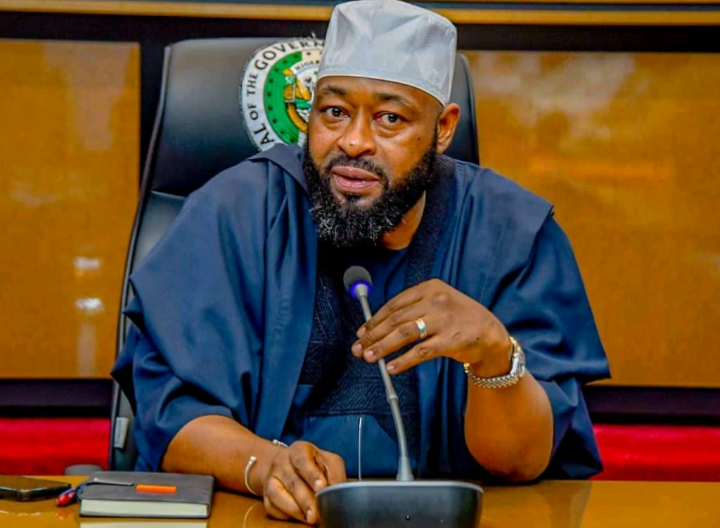

Governor Mohammed Umaru Bago of Niger State on Friday presented the N1.31 trillion 2026 budget proposal to the Niger State House of Assembly, describing it as a strategic plan to consolidate the state’s development achievements while charting a sustainable path for future growth.
The budget, themed the “Budget of Consolidation,” is designed to strengthen economic opportunities, expand infrastructure, and improve social services across the state. Governor Bago said the spending plan reflects a balanced approach to addressing immediate needs and long-term priorities.
“This budget is anchored on consolidation, growth and sustainability,” Bago told lawmakers, emphasizing that the proposal aims to accelerate development, create jobs, and improve the welfare of citizens.
Under the proposal, about N270.29 billion, roughly 26 per cent of total expenditure has been set aside for recurrent costs, including salaries and day-to-day running expenses, while N761.64 billion, about 74 per cent is earmarked for capital projects such as roads, healthcare facilities, schools, and water systems.
Focus on Core Sectors
The governor said the fiscal plan prioritizes key sectors that can stimulate growth and improve livelihoods. The economic sector is set to receive a large portion of funds, with allocations targeting agriculture, commerce, and industrial development. The social sector, including education and healthcare, also gets substantial support.
In the education sector, N107.9 billion will be used to rehabilitate hundreds of schools, train teachers, and expand vocational programs in fields such as agriculture and information technology. The health budget of N72 billion is expected to enhance universal health coverage, complete primary healthcare centers, and boost state health insurance initiatives.
Governor Bago noted that the agriculture allocation, including plans for fertilizer distribution, construction of abattoirs, and establishment of an agricultural cooperative agency, is aimed at increasing productivity and strengthening value chains across the state.
Meanwhile, infrastructure spending will focus on road construction, expansion of water supply, and energy projects that are intended to support economic activities and improve connectivity between urban and rural areas.
Revenue Sources and Fiscal Outlook
Funding for the proposed budget will come from a range of sources. Niger State expects to receive statutory allocations of N163.2 billion, N154.7 billion from Value Added Tax (VAT), and N100.2 billion from internally generated revenue. The largest share, N398.8 billion, will come from capital receipts.
Governor Bago assured lawmakers that fiscal discipline and efficient resource use remain central to the administration’s approach, with careful planning to ensure that the state’s financial resources yield measurable benefits.
Legislature’s Response
In response, the Speaker of the Niger State House of Assembly, Abdulmalik Sarkin-Daji, expressed support for the governor’s proposal and pledged that the assembly would work collaboratively to review and pass the appropriation bill. Sarkin-Daji said the legislature remains committed to supporting initiatives that enhance the well-being of residents and strengthen governance.
He urged continued cooperation between the executive and legislative arms of government, stressing that such unity is essential to achieving a prosperous and secure future for Niger State.
The 2026 budget comes amid broader economic headwinds in Nigeria, where rising costs and revenue pressures challenge sub-national finances. By emphasizing agriculture, infrastructure, and internal revenue generation, Niger State aims not only to support immediate public service needs but also to stimulate economic activity and build resilience against future fiscal uncertainties.