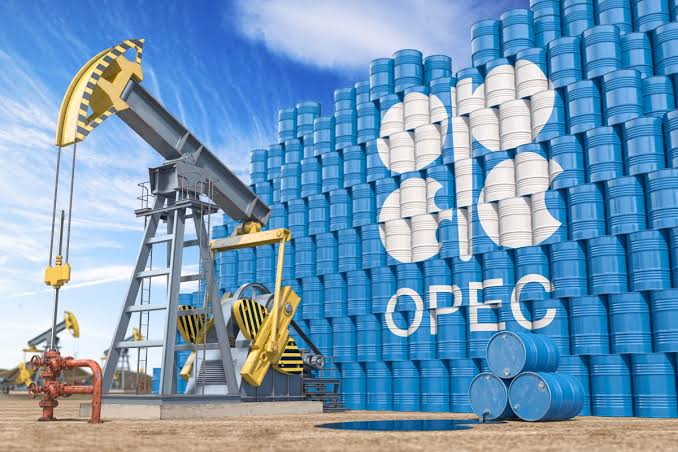

Global oil markets are entering a delicate new phase after OPEC+ approved a modest increase in production quotas for June, while the United Arab Emirates formally confirmed its exit from the alliance, an unexpected move that could reshape supply coordination among major producers.
The group agreed to raise output by 188,000 barrels per day (bpd), a cautious adjustment that underscores its continued effort to balance market stability against fragile demand conditions. The increase is relatively small compared with historical quota shifts, signaling that core members remain wary of oversupplying the market amid uncertain global economic momentum.
The UAE’s departure, however, introduces a more complex dynamic. As one of the alliance’s key producers with significant spare capacity, Abu Dhabi has often advocated for higher production ceilings to reflect its expanded output capabilities. Its exit suggests growing tension within OPEC+ over how to allocate quotas in an era of uneven investment and shifting national priorities.
Market participants are now assessing whether the alliance can maintain cohesion without the UAE’s participation. While Saudi Arabia and Russia, the de facto leaders of OPEC+ are expected to reinforce compliance among remaining members, the loss of a disciplined, high-capacity producer could weaken the group’s ability to enforce supply targets over time.
Crude prices reacted cautiously to the announcement, reflecting a balance between modest supply growth and geopolitical uncertainty. Analysts note that the incremental increase is unlikely to materially shift global inventories in the short term, but the structural implications of the UAE’s exit could weigh more heavily on longer term price expectations.
“The immediate supply impact is limited, but the signal is significant,” said one energy strategist. “It raises questions about the durability of OPEC+ as a coordinated force in managing global oil supply.”
Beyond pricing, the move carries broader implications for energy markets. A fragmented producer alliance could lead to more competitive output strategies, increasing volatility in crude benchmarks such as Brent and West Texas Intermediate. For consuming nations, this could translate into less predictable fuel costs, complicating inflation management and monetary policy decisions.
Looking ahead, investors will closely monitor whether other members reassess their participation or push for revised quota frameworks. The ability of OPEC+ to adapt to internal shifts while maintaining supply discipline will be critical in shaping the trajectory of oil markets through 2026 and beyond.