
Nigeria’s oil and gas industry may soon experience a major technological transformation as the Nigerian National Petroleum Company Limited (NNPCL) and the Nigerian Institute of Petroleum and Gas Engineers (NIPetGE) have called for the wider use of artificial intelligence and digital technology across the sector.
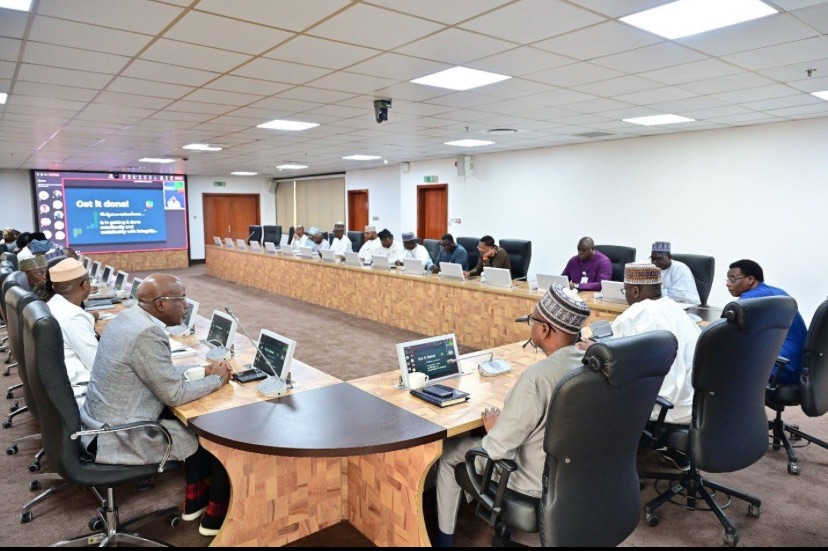
The move was discussed during a courtesy visit by the President-elect of NIPetGE, Prisca Kanebi, and her delegation to the Group Chief Executive Officer of Nigerian National Petroleum Company Limited, Bayo Ojulari, in Abuja. Ojulari was represented at the meeting by the Executive Vice President for Gas, Power and New Energy, Olalekan Ogunleye.
According to a statement released after the meeting, discussions focused on the future of Nigeria’s hydrocarbon industry as the world moves towards cleaner energy, improved sustainability and advanced technologies.
Both organisations agreed that embracing artificial intelligence, robotics and other digital systems could improve efficiency, productivity and innovation in Nigeria’s petroleum industry.
Speaking during the meeting, Kanebi said the institute recently held a conference where several recommendations were made to modernise the industry. One of the key proposals was the creation of a national centre for intelligent energy systems.
The proposed centre would help support the use of artificial intelligence, robotics and the Internet of Things across different stages of oil and gas operations. The aim is to help Nigeria remain competitive in a rapidly changing global energy market.
Kanebi also praised the Federal Government for its ongoing efforts to reduce carbon emissions and promote cleaner energy practices within the sector. She assured NNPCL of the institute’s support for policies that encourage sustainability and environmental responsibility.
Another major proposal from the institute was the establishment of a hydrocarbon-linked emissions trading system. This would allow Nigeria to participate more actively in global carbon markets while helping companies manage and reduce their emissions.
NIPetGE further recommended the introduction of fiscal incentives to encourage local manufacturing and improve service delivery within the oil and gas sector. The institute also advised the government to expand Nigeria’s Energy Transition Plan by including clear and measurable decarbonisation targets for upstream petroleum operations.
The recommendations included tax credits for companies investing in cleaner technologies, as well as stronger public-private partnerships in areas such as carbon capture projects, emission control infrastructure and hybrid renewable energy systems.
During the discussions, both parties also highlighted the importance of stronger collaboration between industry players and academic institutions. They noted that such partnerships would help improve professional training, research and technical capacity in Nigeria’s petroleum engineering sector.
The institute further revealed that its bill seeking chartered status has successfully passed second reading at the National Assembly and is now progressing towards a third hearing.
NNPCL also pledged continued support for future partnerships with the institute, especially on projects aimed at improving efficiency, innovation and long-term sustainability in Nigeria’s energy industry.