
Nigeria’s long-running electricity challenge is creating an unexpected opportunity for businesses that can provide reliable and affordable power to homes, shops and companies.
For years, unreliable electricity supply has been one of the biggest obstacles facing Nigerian businesses. Many small and medium-sized enterprises have had to depend on petrol and diesel generators to keep their operations running. While generators provide an alternative source of power, their fuel and maintenance costs can place significant pressure on business owners.
This difficult environment, however, is opening the door for a new group of energy-focused businesses.
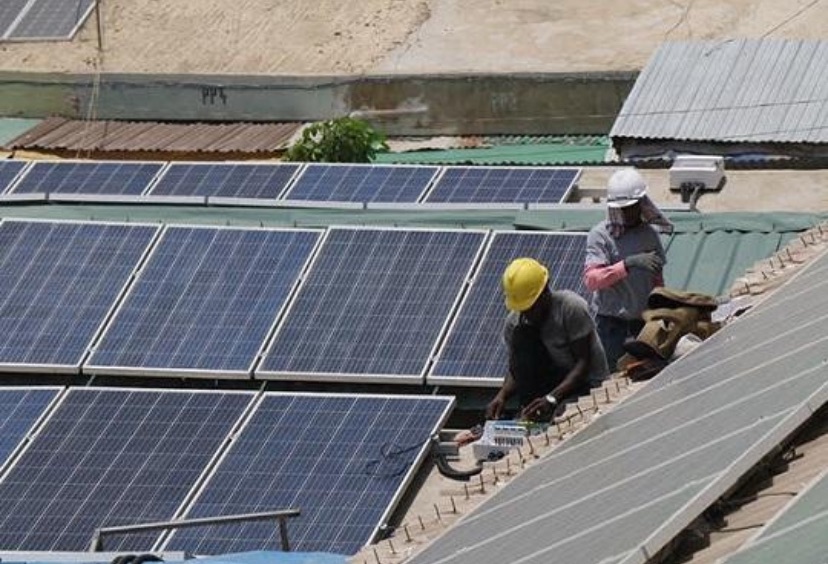
Solar companies, battery suppliers, inverter installers and other alternative-energy providers are increasingly finding a market among Nigerians looking for ways to reduce their dependence on the national grid.
For small businesses, the attraction is simple. A reliable power system can help a barber keep his equipment running, allow a frozen-food seller to preserve products, help a restaurant operate its refrigerators and enable a small factory to continue production without frequent interruptions.
The opportunity goes beyond selling solar panels.
Businesses are emerging around battery storage, inverter repairs, energy audits, solar installation, equipment financing and maintenance services. Entrepreneurs who can provide affordable energy packages and flexible payment options could attract customers who cannot afford to pay for complete systems upfront.
The growing demand also creates opportunities for businesses that serve larger customers.
Factories, schools, hospitals, offices, hotels and shopping centres all require dependable electricity. Some are increasingly exploring alternative energy systems as a way to control operating expenses and reduce the disruption caused by power shortages.
For investors and entrepreneurs, this means Nigeria’s electricity problem is not only an infrastructure challenge. It is also becoming a sizeable commercial market.
However, entering the energy business comes with its own challenges. Solar equipment can be expensive, while exchange-rate movements can affect the cost of imported components. Poor-quality equipment and inexperienced installers can also damage consumer confidence.
Businesses therefore need to compete on more than price. Quality products, proper installation, after-sales support and transparent pricing could become major advantages in the market.
Financing is another important area. Energy companies that partner with banks, fintech firms or other financial institutions could make solar systems more accessible by allowing customers to pay gradually instead of making one large payment.
For Nigeria, the growth of alternative-energy businesses could have benefits beyond individual companies. More reliable power can help businesses reduce costs, improve productivity and create jobs.
The country’s electricity crisis may not disappear overnight, but it is changing the way Nigerians think about energy.
As demand for dependable electricity continues to grow, entrepreneurs who can turn that demand into affordable and practical solutions may find one of the country’s biggest business opportunities hiding inside its biggest economic challenges.