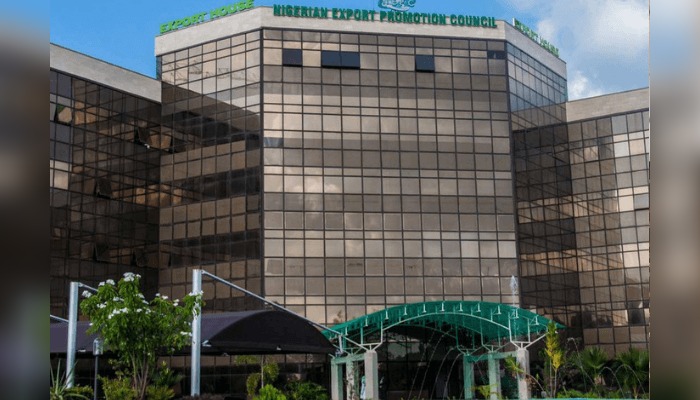

The Nigerian Export Promotion Council (NEPC) has said the solid minerals sector is contributing far less to Nigeria’s export earnings than its resource base should allow, underscoring the need to formalise operations and address barriers to international trade.
The Executive Director of NEPC, Nonye Ayeni, made the point on Tuesday at a workshop in Calabar titled, “Unlocking Cross River State’s Potential: Strategies For Developing Critical Minerals For Export.”
Represented by Damian Omorogbe, the council’s Cross River coordinator, Ayeni said Nigeria’s vast mineral deposits have yet to translate into the level of non-oil export earnings expected from the sector.
She noted that the country is richly endowed with solid minerals such as lithium, zinc, tin, barite and lead, but said much of that potential remains underutilised.
According to her, one of the major constraints is the dominance of informal operators in the sector, which continues to limit structure, compliance and export readiness.
“I have witnessed the pivotal role that exports play in driving sustainable economic growth. However, the journey from extraction to the international market is fraught with challenges,” she said.
Ayeni listed some of the key challenges facing prospective exporters as poor understanding of export procedures, inadequate documentation, limited financing and weak compliance with export standards.
She said these issues often discourage miners and exporters from participating fully in international trade or expose them to losses when they fail to meet global requirements.
According to her, the workshop was organised to help build a more informed and export-ready community in the solid minerals value chain.
Also speaking, Cross River State Commissioner for Commerce and Industry, Abigail Duke, urged miners and other stakeholders to embrace government-backed initiatives aimed at improving growth and transparency in the sector.
Represented by Philomema Nyiam, Permanent Secretary in the ministry, Duke said many operators had continued to avoid programmes designed to educate and guide them on how to better harness opportunities in the industry.
“We understand why they are always running from programmes like this. We know the sector is riddled with illegal miners, but the government is not pursuing anybody,” she said.
“We are only looking for a better way to harness the potentials in this sector for our betterment and that of the country.”
The comments reflect renewed efforts to position solid minerals as a stronger pillar of Nigeria’s non-oil export strategy, especially as authorities push to diversify the economy beyond crude oil.