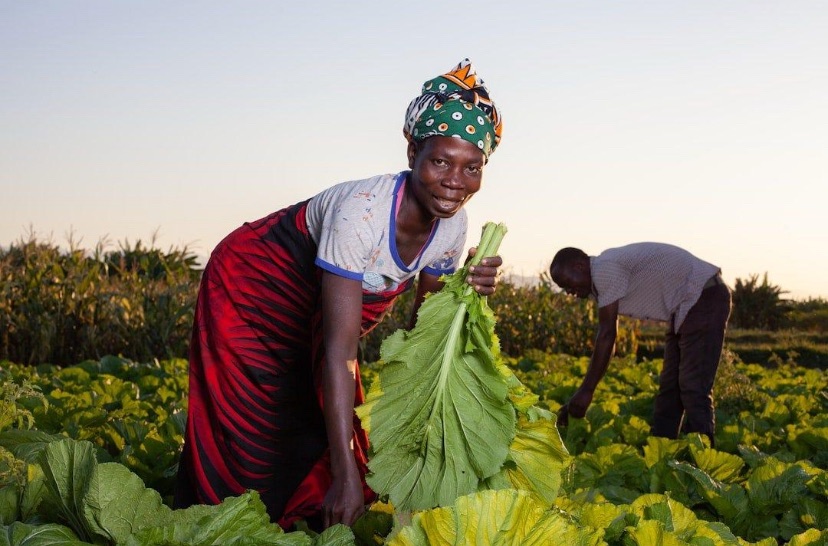

Vegetable farming is becoming an increasingly attractive business opportunity in Nigeria as demand for fresh and affordable food continues to grow. From tomatoes and peppers to spinach, cucumber, okra and lettuce, vegetables remain essential to the daily meals of millions of Nigerians.
For entrepreneurs, the sector offers an opportunity to generate income while contributing to the country’s food supply. Unlike some large-scale agricultural businesses that require significant capital and equipment, vegetable farming can be started on a relatively small piece of land and expanded as the business grows.
One of the major factors supporting vegetable farming is steady consumer demand. Vegetables are purchased by households, restaurants, hotels, food vendors, supermarkets and food processors. This creates several potential markets for farmers who can consistently supply fresh produce.
However, vegetable farming is not without its challenges. Farmers face rising costs of seeds, fertilisers, pesticides, labour, irrigation and transportation. Unpredictable weather conditions can also affect production, particularly for farmers who depend heavily on rainfall.
Post-harvest losses are another major concern. Many vegetables are highly perishable and can lose their quality within a short period if they are not properly harvested, stored or transported. Poor roads and inadequate storage facilities can make the problem worse, especially for farmers supplying markets far from their farms.
Despite these challenges, better planning can make vegetable farming more profitable. Farmers who understand their target market before planting can reduce the risk of producing crops that are difficult to sell. Choosing vegetables based on local demand, season and expected prices can also improve profitability.
Irrigation is another important investment for farmers who want to produce vegetables throughout the year. While production during the rainy season may be cheaper, dry-season farming can provide opportunities when the supply of certain vegetables falls and prices increase.
Technology is also changing the way some farmers operate. Improved seeds, modern irrigation systems, greenhouse farming and digital platforms are helping farmers improve productivity and connect with customers. Social media and online marketplaces can also allow farmers to sell directly to consumers, restaurants and retailers.
For young entrepreneurs, vegetable farming can provide opportunities beyond cultivation. Businesses can develop around vegetable distribution, packaging, processing, cold storage, logistics and direct-to-consumer sales.
The growing interest in local food production also makes vegetable farming relevant to Nigeria’s broader food security efforts. Increasing domestic production can help reduce dependence on food imports while creating employment and income opportunities in rural communities.
Still, success in the sector requires more than simply planting crops. Farmers need proper record-keeping, market research, good farm management and effective cost control. Understanding when to plant and when to sell can make a significant difference to the final returns.
As food demand continues to rise, vegetable farming is likely to remain an important part of Nigeria’s agricultural economy. With better access to finance, irrigation, storage, transportation and markets, small and medium-sized vegetable farms could become stronger businesses while helping to put more affordable food on Nigerian tables.